Stabilizing ligands make nanoclusters brighter
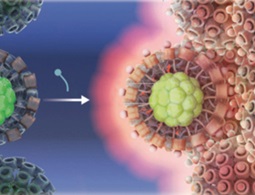
Large cylindrical ligands increase stability and enhance light emission of silver nanoclusters.
Large cylindrical ligands increase stability and enhance light emission of silver nanoclusters.
Catalyst switch strategy is the key step in the production of a four-component crystalline tetrablock quarterpolymer.

When a thin layer of water is squeezed between two hydrophobic surfaces, the laws of classical physics break down.

Imaging defects in MOF crystals, and monitoring how they develop, will allow control of defect formation to design better MOFs for many applications.

Fluorinated metal-organic frameworks make excellent materials for selective sensing and removal of toxic gases.
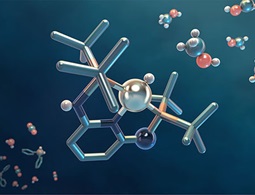
Hydrogen-powered cars and recycling CO2 are just two of the myriad of applications that could spring from catalysts based on a new ligand platform.
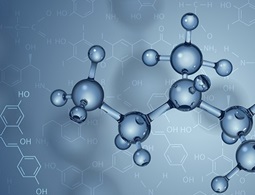
A metal-organic framework that selectively removes impurities from natural gas could allow greater use of this cleaner fossil fuel.

Rethinking industry-scale catalytic processes could slash global energy consumption and even turn carbon dioxide into a valuable commodity.
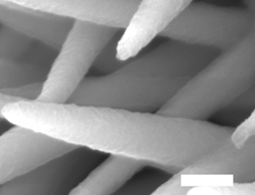
Triple-layered nanoarray electrode promises to boost battery performance and enhance other electrochemical processes.
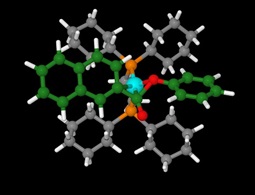
A metal catalyst that gives distinct carbon-based molecular skeletons upon ligand change may unlock cost-effective, green synthetic routes.
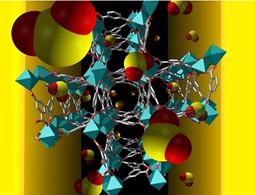
Custom-made gas-sensing material could lead to inexpensive devices for real-time air-quality analysis.
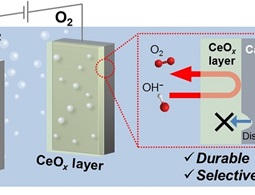
A porous cerium-based coating boosts the durability of oxygen-forming catalysts while maintaining their inherent water-splitting activity.