A scalable membrane for energy-efficient crude oil-to-chemicals separation
A new membrane could reduce reliance on energy-intensive distillation for selected crude oil separation steps.
A new membrane could reduce reliance on energy-intensive distillation for selected crude oil separation steps.

AI-assisted search rapidly pinpoints high-performance catalyst for direct CO2-to-jet fuel conversion.
Vanillin and thymol replace fossil-based solvents to produce a fully bio-based ultrafiltration membrane that can clarify fruit juices.
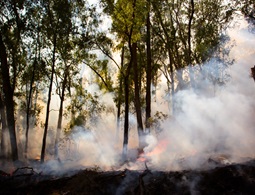
Forest fires’ ashy plumes have an unexpected, sunlight-driven secondary impact on city air quality.

AI model overcomes sparse datasets to accurately predict the properties of experimental sustainable aviation fuels and other high-value target molecules.
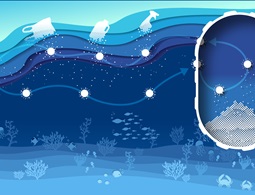
Machine learning helps to find the most efficient approach to trap plastic fragments.
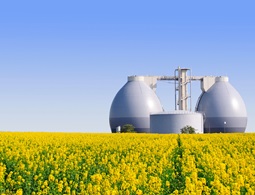
Pressure swing adsorption systems can produce high-purity methane and carbon dioxide.

Low-cost oil residues could be converted into valuable carbon fibers.

Insight into how photoexcited biomass-burning organic aerosols boost sulfate formation could help control wildfire-driven air pollution.
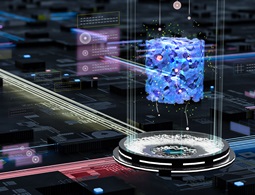
The chemical industry could dramatically cut its energy consumption by using machine learning to guide chemical purification protocol selection.
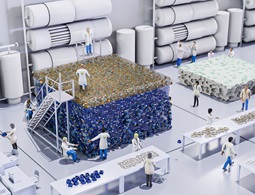
Nanofiltration membranes with bespoke porous architectures enable ultra-selective and energy-efficient separation of complex mixtures.

Highly complex MOF materials made for sustainability applications such as carbon capture can be rationally devised using a new "merged nets" design framework