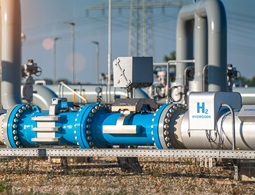
Catalyst generates hydrogen from toxic waste
Understanding hydrogen sulfide decomposition provides a design strategy to improve catalyst activity.
Understanding hydrogen sulfide decomposition provides a design strategy to improve catalyst activity.
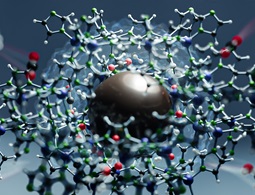
A new way to utilize a greenhouse gas can enhance the efficiency and stability of carbon dioxide hydrogenation.

Bio-inspired membrane materials from fungi mycelium are set to revolutionize separation technologies.
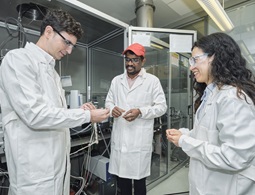
Systems that combine multiple spectroscopy and reactor technologies can bring a more accurate image of catalysts.
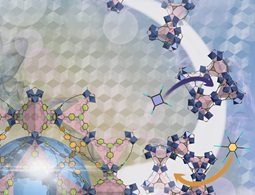
Metal-organic frameworks with designer windows show exceptional gas storage capability.
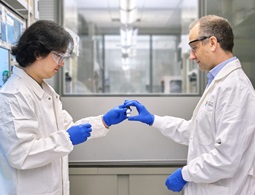
A venerable industrial method for making butadiene bounces back to prominence.

Machine learning could fast-track the formulation of tailor-made mixtures, including “greener” fuels.
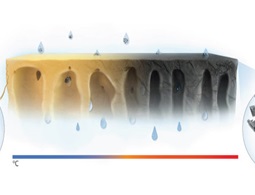
Heat treatment shrinks polymer’s pores to enhance solvent filtration.
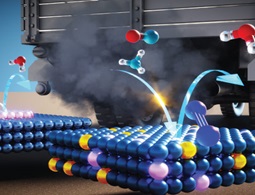
Systematic study resolves a debate on the best combination of metals to catalytically clean NOx from vehicle emissions.

Membranes made from date seed biomass could provide a greener and more cost-effective alternative for industrial separation.
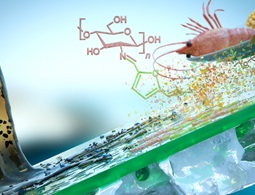
Waste materials are used to create an environmentally friendly filtration system for industrial applications.
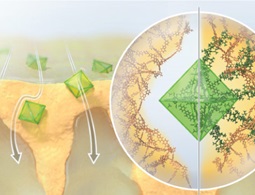
An energy efficient membrane technology could lead to a low-cost and environmentally sustainable separation technique.