Catalyzing a green future
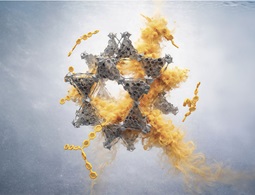
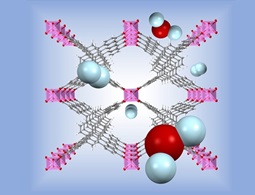
Highly modular metal-organic framework-based materials show great potential for photocatalytic hydrogen production.
Highly modular metal-organic framework-based materials show great potential for photocatalytic hydrogen production.
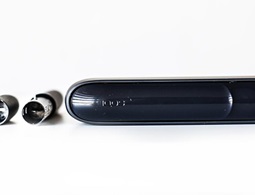
A more sensitive technique shows a cigarette alternative seems to emit more chemicals than manufacturer testing had found.
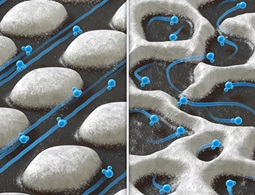
Self-assembled channels in a polymer membrane could greatly enhance extraction of water from gases.
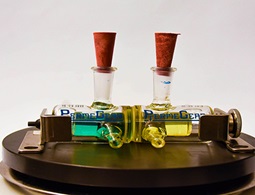
Covalent organic crystal networks generate high-selectivity and high-flux membranes for organic solvent filtration.

A membrane made of porous carbon-fiber structures grown on a porous ceramic substrate is more efficient than similar existing membranes at filtering seawater.
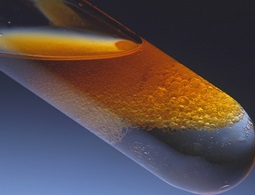
A new conceptual model for describing a fuel’s composition can accelerate and simplify combustion simulations.
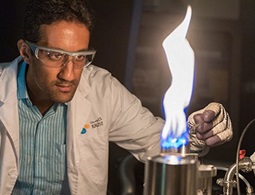
The transition to renewables will take decades, so we must rush to clean up conventional fuel combustion, says Mani Sarathy.
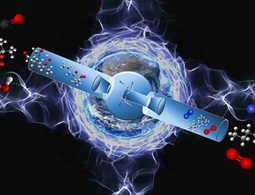
Synchrotron study reveals oxygen’s influence on the chemistry that surrounds us.
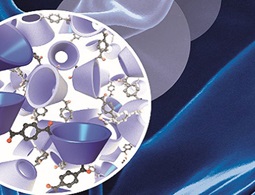
Cone-shaped sugar structures can be connected together to form selectively porous nanofiltration membranes.
Car manufacturers could clean up vehicle exhausts using a new model of gasoline combustion developed using experimental data.
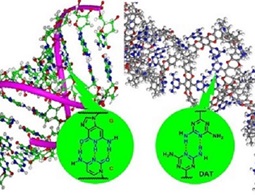
Stable and recyclable materials synthesized using intrinsically porous polymers selectively retain CO2 from exhaust emissions and natural gas.
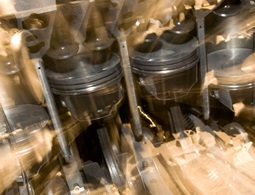
A better understanding of fuel ignition processes in internal combustion engines could help break new barriers in fuel efficiency and emission reductions.