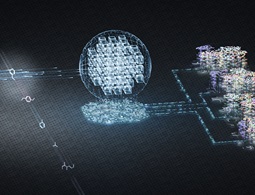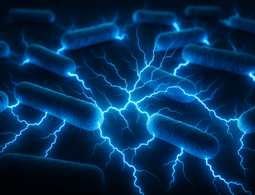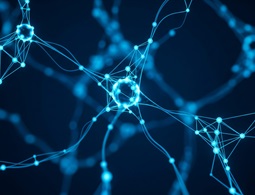
Bio-inspired network structures for next-generation AI
Brain-inspired network design for computation could lead to more accurate, higher-performance machine learning.
Brain-inspired network design for computation could lead to more accurate, higher-performance machine learning.
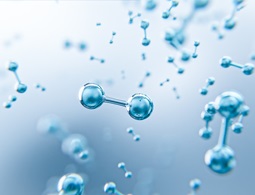
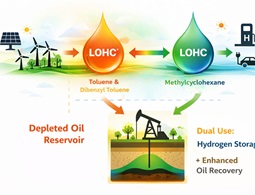
Combining hydrogen with liquid organic molecules could cut costs, simplify storage, and even help to recover residual oil.
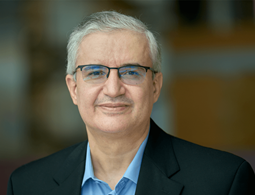
KAUST Professor Mohamed-Slim Alouini has been elected to the U.S. National Academy of Engineering — the first faculty member elected while serving at KAUST — recognizing his global impact in wireless communications and efforts to connect underserved communities advancing Saudi Vision 2030.
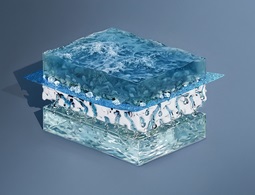
An ultrathin membrane enables energy-efficient freshwater production from seawater and brines at ambient temperature and pressure.

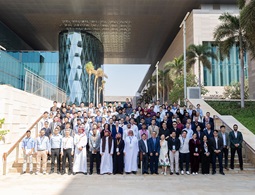
Saudi Arabia’s energy future depends on storage. At KAUST’s Frontiers in Energy Storage 2026, researchers, industry, and policymakers aligned around batteries, hydrogen, and deployable systems — advancing in-Kingdom technologies to deliver resilient, clean energy at scale.
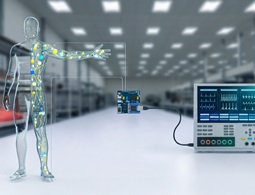
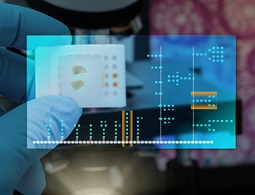
Intelligent system actively self-checks biosensor-skin connections to secure better quality health data.
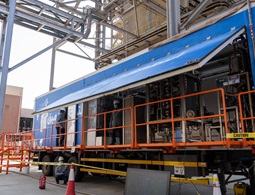
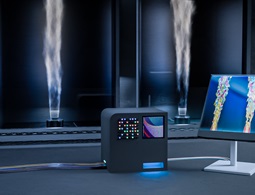
Advanced computer modeling reveals the complex combustion behavior of ammonia, a promising clean-burning carbon-free fuel, potentially accelerating its role in renewable energy systems.