AI-based hydrogen plant models improve power grid stability
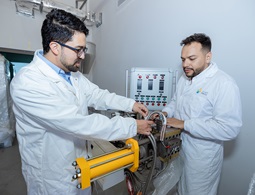
Realistic AI models of hydrogen plants help stabilize power grids with high levels of renewable energy.
Realistic AI models of hydrogen plants help stabilize power grids with high levels of renewable energy.

From environmental policy to digital operations in global energy, KAUST prepares Saudi engineers with the skills, leadership, and global perspective needed to support Vision 2030 and the Kingdom’s evolving workforce.
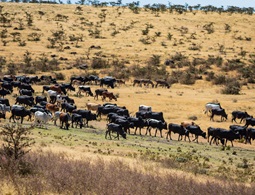
A global field survey of dryland sites shows that plant species richness is the strongest predictor of resistance to overgrazing.

When water leaves a hydrophobic material, it acquires an electrical charge that could affect liquid-handling processes.
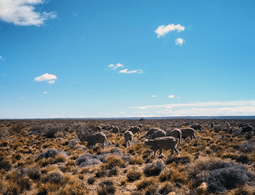
Plant Diversity Helps Dryland Ecosystems Survive Grazing Pressure, Global Study Finds - KAUST-Led Study Reveals Plant Diversity Shields Dryland Ecosystems From Grazing
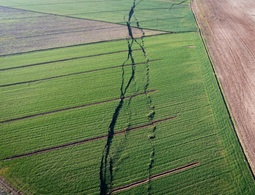
Detailed satellite radar data highlight underlying post-seismic processes at work in the Earth’s subsurface following the 2023 Kahramanmaraş earthquakes.
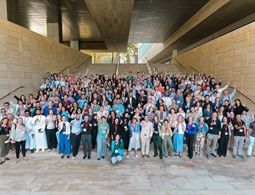
Global coral reef experts convened at KAUST for the Nature conference Corals, Coasts and One Health, highlighting how reef health, coastal resilience and human well-being are interconnected — and why coordinated science, restoration and policy are critical to protecting reefs and communities.
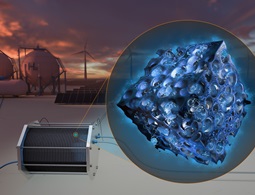
Controversial catalyst additive improves stability in direct green hydrogen production.
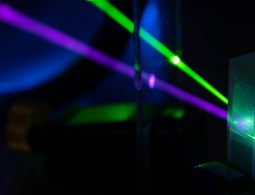
Resilient quantum dot lasers are set to make simpler, greener, and cheaper light-driven integrated circuits.
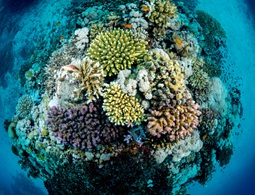
Data collected at a pivotal time provide baseline information for coral reef resilience and management in the northeastern and central Red Sea.
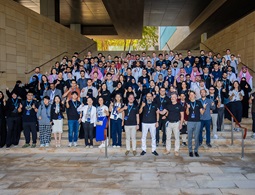
KAUST’s Rising Stars in AI Symposium brought together 25 top early-career researchers from 430-plus global applicants to advance core AI and real-world applications. From reasoning models to trustworthy and embodied AI, the event highlights how KAUST is shaping the next generation of AI talent.