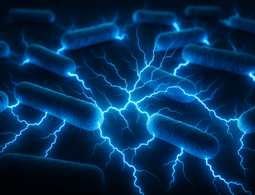
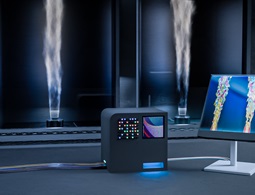
Cracking clean fuel combustion
Advanced computer modeling reveals the complex combustion behavior of ammonia, a promising clean-burning carbon-free fuel, potentially accelerating its role in renewable energy systems.
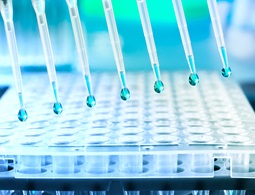
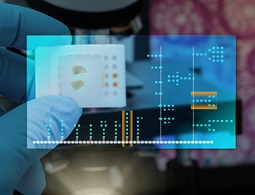
Robust workflow built for chemical genomic screening
A unified protocol for chemical genomic screening aims to improve reproducibility and collaboration in addressing antimicrobial resistance.
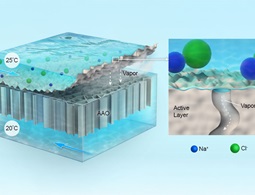
New KAUST membrane technology could make desalination more sustainable
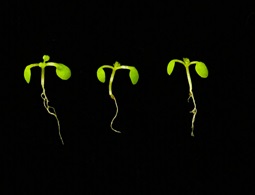
Coevolution of the microbiome with its host plant supports environmental adaptation
Soil shapes a host gene and the microbiome, enabling growth in low pH, iron-rich conditions.
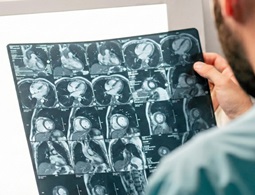
Smarter MRI image analysis for the whole heart
A Bayesian approach that selects the most informative frames for manual labeling could speed up real-time heart MRI analysis.
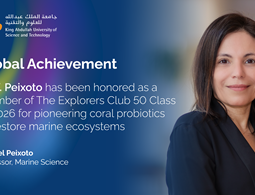
Professor Raquel Peixoto recognized as one of 50 people changing the world
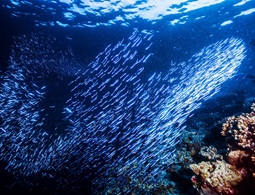
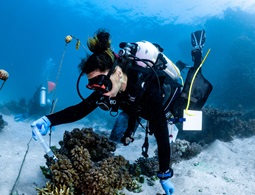
Potential gains from replenishing reef fish stocks revealed
Ensuring sustainable management of coral reef fisheries could provide food security and public health benefits for generations to come.
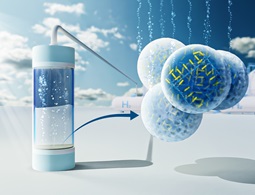
Turning infrared solar photons into hydrogen fuel
Infrared-absorbing photocatalysts capture heat from sunlight to drive efficient hydrogen production.

KAUST innovators named to MIT Technology Review Arabia’s Innovators Under 35 MENA list
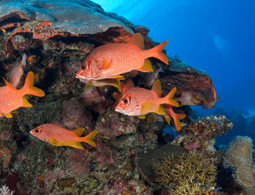
KAUST study shows recovering reef fish stocks could boost sustainable food supply by nearly 50%

Tiny sensor could transform head injury detection
After losing his brother to undetected head trauma, a KAUST researcher helped design a sensor that instantly distinguishes minor bumps from dangerous blows.