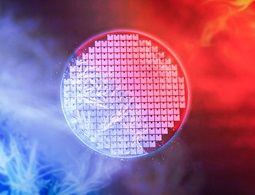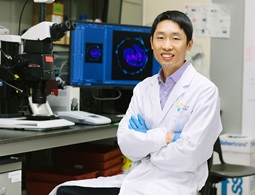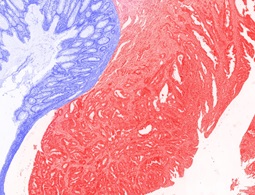
Colorful solution to advanced disease diagnosis
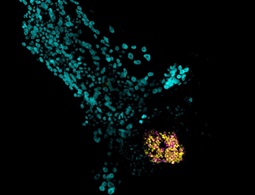
Nanophotonic microscope slides spotlight cancer cells hiding in patient tissue samples.
Nanophotonic microscope slides spotlight cancer cells hiding in patient tissue samples.
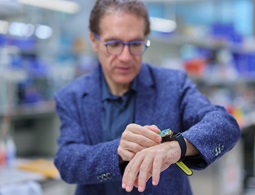

By shrinking CRISPR tools and boosting their specificity, researchers hope to expand where and how gene editing can be used.

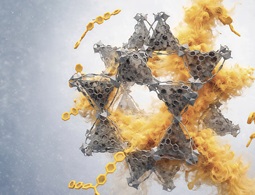
Ancient building technique inspires a potential solution to the modern challenges of gas separation and storage.
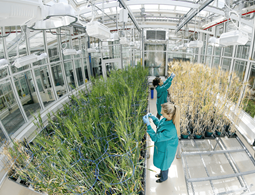
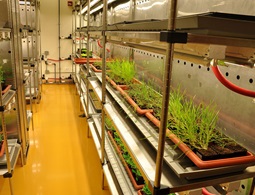
KAUST and Riyadh-based SEQUENCIVE have launched namya to bring the University’s MiZax agricultural technology to market. Built on more than a decade of research, the venture aims to advance sustainable agriculture and food security in Saudi Arabia and beyond.
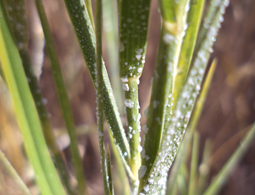
Saltgrass is both a potential climate-resilient crop and an important model for studying plant adaptation, genome evolution, and stress tolerance.
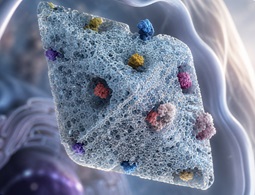
Nanoreactors ferry multi-protein machinery into cells, opening a potential route to precision therapies.
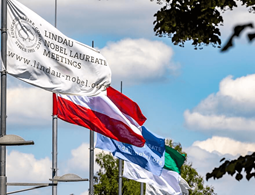
Five KAUST Ph.D. students have been selected to attend the 75th Lindau Nobel Laureate Meeting in Germany, joining 600 young researchers from around the world to engage with Nobel Laureates and explore some of science’s most pressing questions.
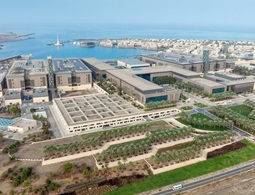
KAUST has entered the Global Top 50 of the 2026 Times Higher Education Impact Rankings, placing 48th worldwide among 1,600+ universities. The achievement highlights KAUST’s leadership in sustainability, research, innovation, and advancing Saudi Vision 2030