Cracking clean fuel combustion
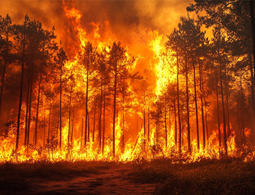
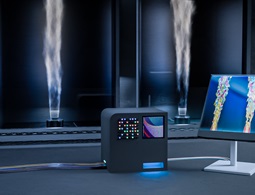
Advanced computer modeling reveals the complex combustion behavior of ammonia, a promising clean-burning carbon-free fuel, potentially accelerating its role in renewable energy systems.
Advanced computer modeling reveals the complex combustion behavior of ammonia, a promising clean-burning carbon-free fuel, potentially accelerating its role in renewable energy systems.
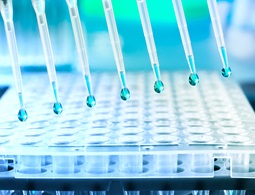
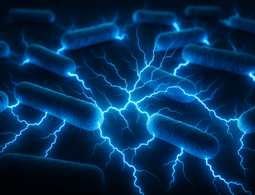
A unified protocol for chemical genomic screening aims to improve reproducibility and collaboration in addressing antimicrobial resistance.

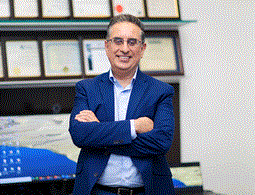
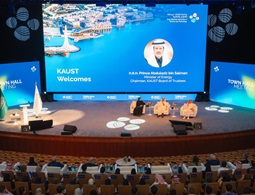
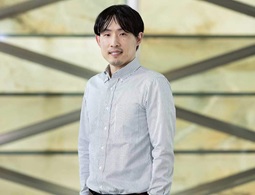
Newly appointed KAUST dean Professor Omar Knio reflects on a career shaped by choice, people, and purpose. From early crossroads to senior leadership, he outlines a mission-led vision focused on impact, people development, and enabling research aligned with national priorities.
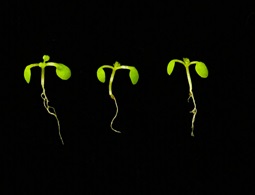
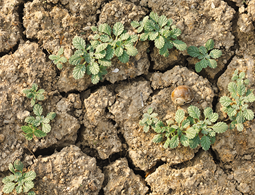
Soil shapes a host gene and the microbiome, enabling growth in low pH, iron-rich conditions.
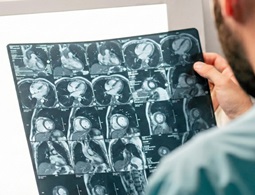
A Bayesian approach that selects the most informative frames for manual labeling could speed up real-time heart MRI analysis.


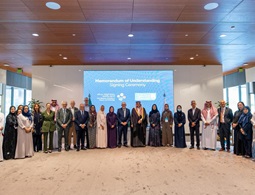
KAUST is converting Red Sea Sargassum into economic and environmental value through collaborations with KBD, Coastline Company, the Fashion Commission, and PYRATEX. The work reduces waste, supports coastal jobs, and builds new circular-economy industries for Saudi Arabia.
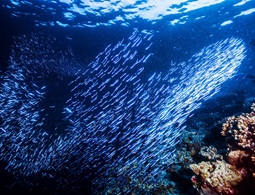
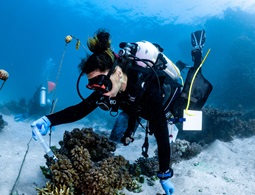
Ensuring sustainable management of coral reef fisheries could provide food security and public health benefits for generations to come.
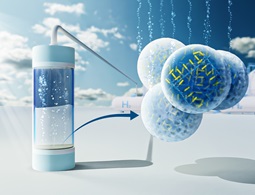
Infrared-absorbing photocatalysts capture heat from sunlight to drive efficient hydrogen production.