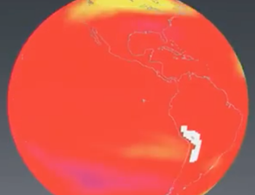
New stats apps show a virtual reality
Harnessing the power of virtual reality will help to visualize data and improve statistical models.
Harnessing the power of virtual reality will help to visualize data and improve statistical models.
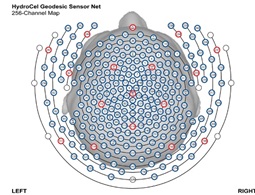
A new statistical tool for collectively analyzing large sets of brainwaves promises to accelerate neurofunctional research.
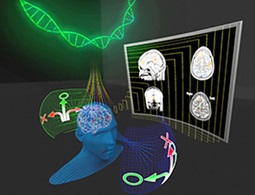
Modeling changes in brain activity over time provides deeper insights into learning and behavioral responses.

A more efficient approach to modeling spatial data involving thousands of variables keeps computation time in check.
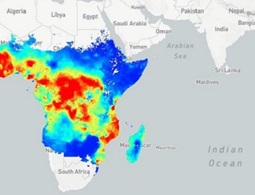
A tool developed by Håvard Rue has transformed data analysis, interpretation and communication. It has been applied broadly: from modeling the spread of infectious diseases to mapping fish stocks.

Simultaneously modeling air pollutants and weather under extreme conditions highlights the potential for serious health risks.
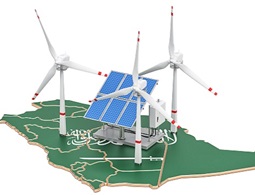
The first quantification of wind energy in Saudi Arabia points to high wind power potential for many decades to come.

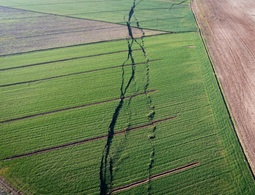
Rainfall simulations in statistical models could allow accurate prediction of dangerous landslides.

Mapping genetic influences on connections between neural networks could lead to a better understanding of brain organization and behavior.

Faster computations will allow researchers to see the finer details of brain activity in functional brain imaging.

More accurate statistical modeling of extreme weather will improve forecasting and disaster mitigation.

A technique that uses the power of computing could solve statistical problems cheaper and faster than current methods.