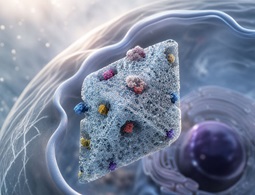
Nanoscaffolds to support the fight against superbugs
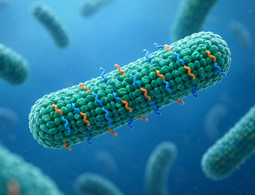
A virus-based scaffolding platform that carries antimicrobial peptides successfully kills multidrug-resistant pathogens in laboratory tests.
A virus-based scaffolding platform that carries antimicrobial peptides successfully kills multidrug-resistant pathogens in laboratory tests.

KAUST researchers discovered that motion sensors in commercial VR headsets can capture subtle physiological signals that reveal information related to visual perception. Using an AI system called BRAVESPY, the team demonstrated that sensor data could potentially expose sensitive brain-related information without users realizing it.

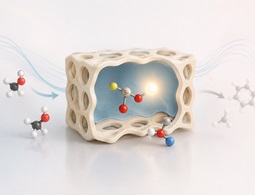
A surprising discovery about fluoride treatment could inspire new ways to improve industrial catalyst performance.
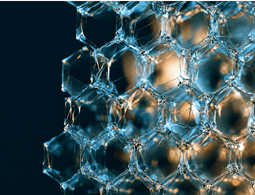
Researchers at King Abdullah University of Science and Technology (KAUST), together with academic collaborators in China and France, have now developed a new membrane technology that could help reduce that burden while overcoming a longstanding obstacle that has prevented advanced membrane materials from being manufactured at industrial scale.


Miniature devices generate a stream of unique keys for stronger digital security.
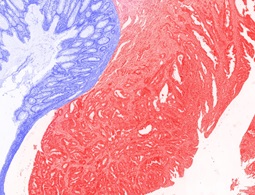
Nanophotonic microscope slides spotlight cancer cells hiding in patient tissue samples.
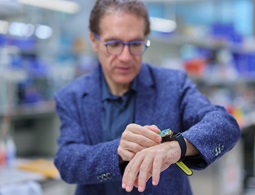

By shrinking CRISPR tools and boosting their specificity, researchers hope to expand where and how gene editing can be used.
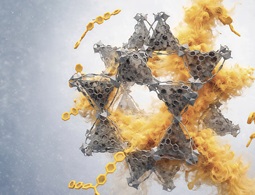
Ancient building technique inspires a potential solution to the modern challenges of gas separation and storage.