Microbial therapies improve heat-stressed coral health
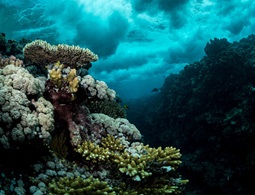
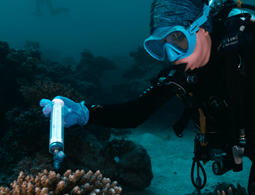
During a natural Red Sea heat wave, KAUST researchers found that probiotic and postbiotic microbial therapies improved heat-stressed coral health. The research could support more scalable approaches to strengthening coral resilience and conservation.
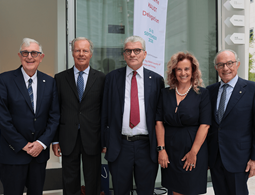
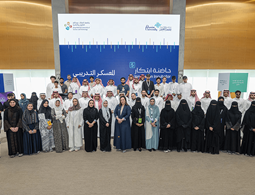
KAUST, Milano-Bicocca, and Bicocca Foundation partner to advance research and innovation
KAUST, the University of Milano-Bicocca, and Bicocca Foundation have formed a new partnership to advance research, education, and innovation across shared priorities including AI, health, sustainable energy, climate change, biotechnology, and food systems.
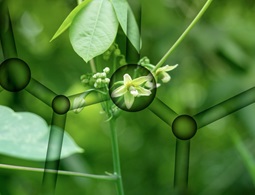
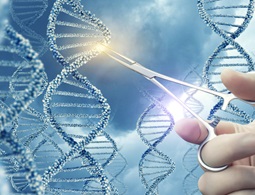
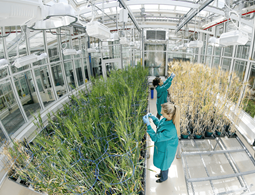
New gene insertion method for plant engineering
By adapting a natural genetic element, researchers insert large genes into tobacco and rice.
Global study reveals hidden nutritional value of shellfish and other Ocean Foods
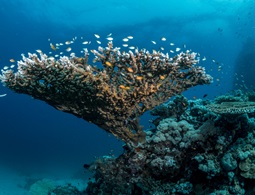
Corals show ‘vaccine-like’ responses after pathogen exposure
Exposure to cells from a coral pathogen appears to prime corals to respond more effectively to future infections.
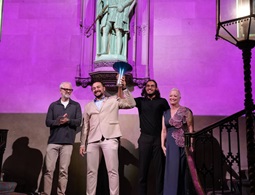
Flow Guard wins the US$1 million Hult Prize
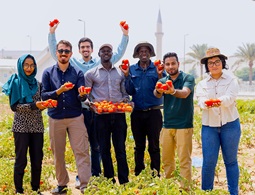
Flow Guard Solutions, a KAUST-developed water management startup co-founded by Mohammed Ahmed and Omar Khalifa, won the 2026 Hult Prize and its US$1 million grand prize, rising above 18,000 teams worldwide and highlighting KAUST and Saudi Arabia’s growing innovation impact.
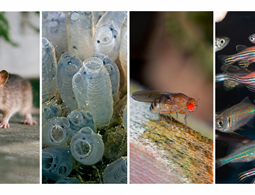
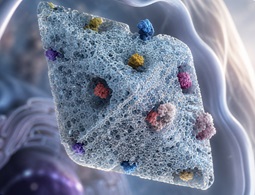
Tracing 700 million years of cell evolution
A new AI tool helps identify hidden similarities across distant species.
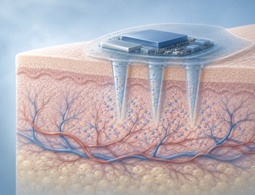
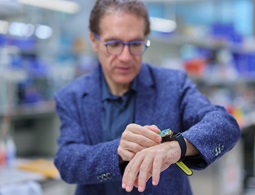
Wearable microneedle patch could improve drug monitoring
A wearable patch with microneedles coated in DNA molecules tracks levels of antibiotics in the body in real time.
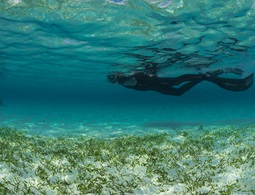
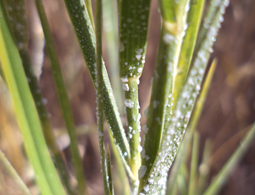
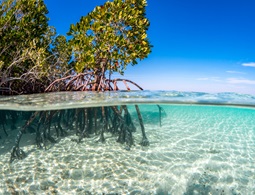
Climate finance could unlock investment in seagrass restoration

Smoothing the math of spatial networks
A new statistical approach could make modeling spatial networks more accurate and efficient.

Virtual reality headsets open a window into the mind
AI models can use data from motion sensors to infer what users perceive, but the research reveals privacy risks.