Smoothing the math of spatial networks
A new statistical approach could make modeling spatial networks more accurate and efficient.
A new statistical approach could make modeling spatial networks more accurate and efficient.

Accounting for weather extremes is essential for designing reliable renewable energy systems in hot, arid regions.


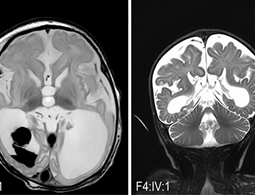
A Bayesian approach that selects the most informative frames for manual labeling could speed up real-time heart MRI analysis.

Placing realistic bounds on solar power scenarios enables smarter grid planning and energy management.

A physically consistent and self-adaptive numerical modelling approach opens the door to more accurate and reliable computational simulations of clinical and biological processes.

A computer model that factors in extreme weather events offers insights to improve the design of NEOM’s integrated renewable power, water and heating sectors.
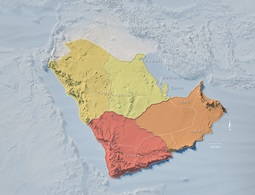
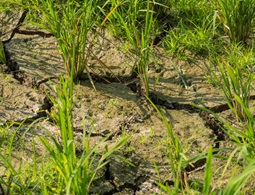
Higher temperatures have increased drought frequency and intensity over the last two decades, but the trend could be reversed in the next 20 years.

A resonator that enhances ultrasound waves in water could aid underwater communication.

A method for forecasting high-dimensional functional time series could improve the accuracy of mortality predictions across multiple populations.

A systematic analysis of sex differences in mortality of young people up to the age of 24 will help policymakers address key disparities and reduce preventable deaths.

A neural network-based approach offers an extremely fast and highly accurate alternative to the "gold standard" of likelihood estimation for statistical modeling of complex datasets.