A simple solution for frequency sharing
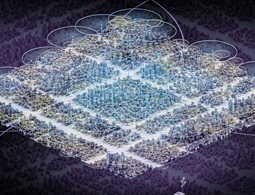
A simple yet elegant solution could improve data rates for multiple communications networks that share a common frequency band.
A simple yet elegant solution could improve data rates for multiple communications networks that share a common frequency band.

A "deep" many-layered neural network does the heavy lifting in calculating accurate predictions from large complex environmental datasets.
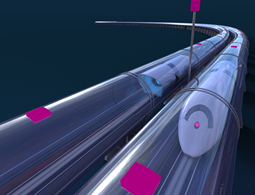
Solid-state radiofrequency reflectors will enable seamless wireless connectivity in the Hyperloop evacuated-tube transport system.

Long-term satellite data shows a significant cooling effect of vegetation on land surface temperature.
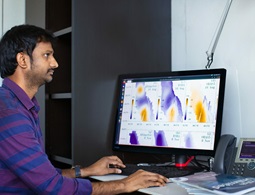
A data-driven modeling system that reconstructs oceanic circulation of the Red Sea highlights the importance of developing region-specific historical datasets.
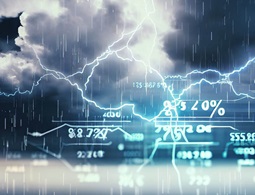
Applying a penalty for increasing complexity provides better control over flexible statistical models.
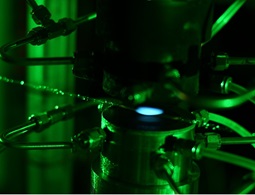
Laser experiments reveal how high voltage affects charged ions in burning fuel.
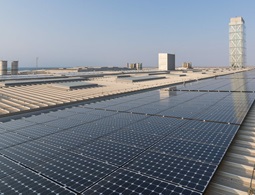
Weather variability and extreme events affect the optimal design and operation of renewable energy systems, particularly for striking a trade off between life cycle cost and carbon dioxide emissions.
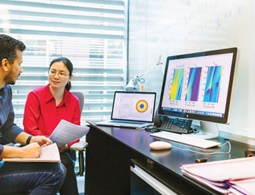
Insight into the spinning-induced scattering of sound could help create next-generation acoustic devices using new phonon modes.
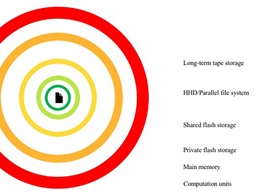
A continuous data supply ensures data-intensive simulations can run at maximum speed.
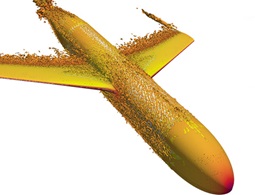
The ability to efficiently simulate the noise generated by wings and propellers promises to accelerate the development of quieter aircraft and turbines.
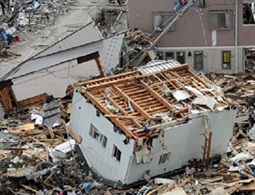
A better mathematical understanding of how big waves form could lead to better prediction of tsunami impacts.