Speeding up the machine learning process
A new approach for training algorithms makes the machine learning process faster and more accurate.
A new approach for training algorithms makes the machine learning process faster and more accurate.
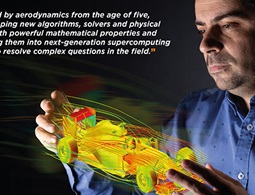
The Formula 1 race track is the ultimate testbed for a KAUST researcher's latest work.
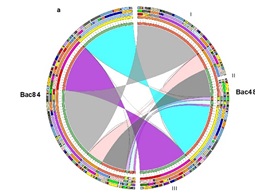
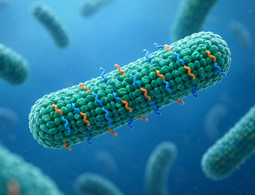
Genome sequencing of two Red Sea bacteria highlights their potential as industrial workhorses.
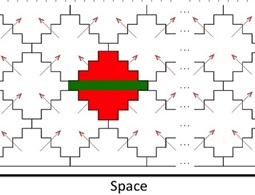
Software could transform underground imaging of fossil fuel reserves by providing unprecedented detail in record time.
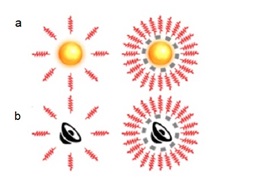
Tiny loudspeakers can efficiently produce low-frequency sounds due to effects similar to the quantum physics governing atoms.

A loudspeaker design could allow small devices to produce powerful low-frequency sounds.
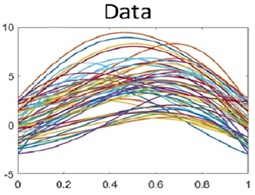
A new method for visually presenting complex data distributions provides a much-needed tool for management, analysis and interpretation.

An efficient wireless signal optimization scheme achieves peak performance for next-generation mobile communications.

A new approach to analyzing household electricity: smart-meter data could improve the performance and efficiency of national power grids.

A highly efficient mathematical solver designed to run on graphics processors gives scientists and engineers a powerful new tool for a common computational problem.

Wafer-thin, scratch-proof films can generate a rainbow of colors using random metallic nanostructures.
Sophisticated statistical methods can detect ozone pollution hot spots and monitor instrument failure.