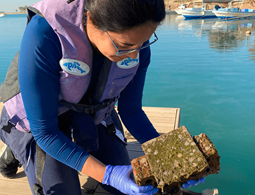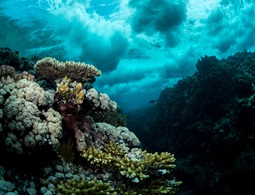
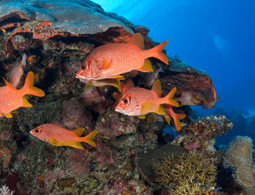
KAUST study shows recovering reef fish stocks could boost sustainable food supply by nearly 50%

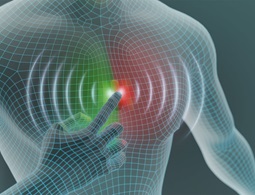
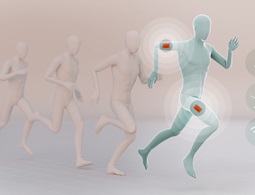
Tiny sensor could transform head injury detection
After losing his brother to undetected head trauma, a KAUST researcher helped design a sensor that instantly distinguishes minor bumps from dangerous blows.
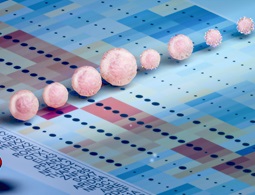
Cell atlas offers clues to how childhood leukemia takes hold
Blueprint of blood cell development traces molecular pathways of health and disease.
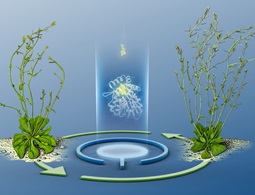
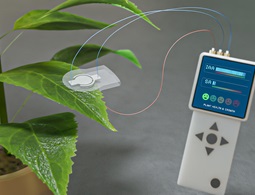
Hidden flexibility in plant communication revealed
Findings reveal how plants control powerful growth regulators through adaptable molecular strategies, offering new perspectives for agriculture.
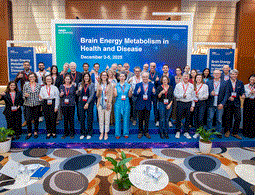
KAUST advances global dialogue on brain energy metabolism and neuroscience research
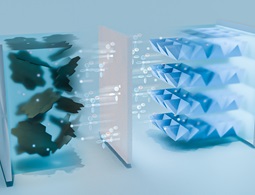
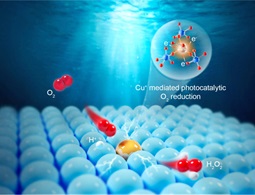
A single additive enables long-life, high-voltage sodium batteries
A new electrolyte additive helps sodium batteries achieve lithium-like performance, offering a practical pathway to scalable, lithium-free energy storage.
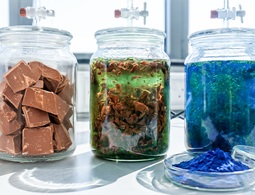
Algae and the chocolate factory
Ancient algae turn chocolate factory waste and other organic matter into valuable bio-based products, supporting a sustainable circular bioeconomy.

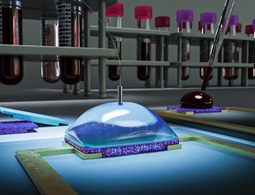
Smart patch detects allergies before symptoms strike
Microneedle-packed biosensor monitors antibodies linked to food allergies, offering early warning before reactions begin.
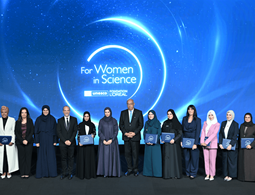
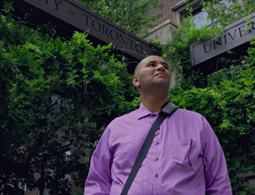
KAUST alumnae honored in 2025 L’Oréal-UNESCO for Women in Science Awards
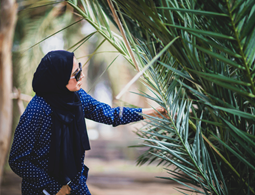
KAUST celebrates alumna Dr. Fatimah Abdulhakim, honored in the 2025 L’Oréal-UNESCO For Women in Science Awards for pioneering research that strengthens plant immunity and food security. Two additional KAUST alumnae were also recognized for their scientific impact.
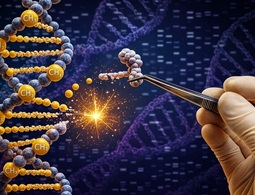
Harnessing the unintended epigenetic side effects of genome editing
Insights into how CRISPR-Cas9 genome editing leaves lasting epigenetic ‘scars’ may improve safety for patients, and could inform novel treatment options.