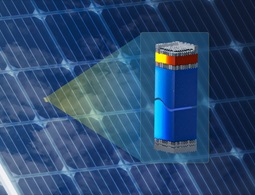
Interface engineering unlocks efficient, stable solar cells
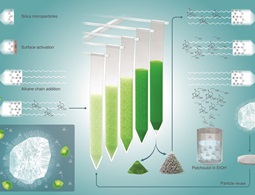
An interface-focused strategy boosts efficiency and stability in perovskite/silicon tandem solar cells.
An interface-focused strategy boosts efficiency and stability in perovskite/silicon tandem solar cells.


A network analysis tool allows users to reveal the hidden workings of network middleboxes.

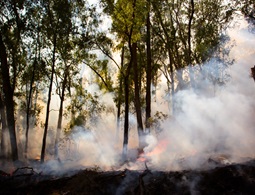
Forest fires’ ashy plumes have an unexpected, sunlight-driven secondary impact on city air quality.

A workflow-based method to check the suitability of assumptions in complex statistical models gives researchers an efficient tool for selecting the right model.


Beneath the deserts of Saudi Arabia lies a hidden record of Earth’s earliest continental history — a geological archive that could reshape our understanding of how Arabia was born.
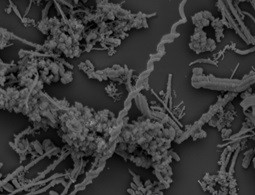

Mining Google trends using a real-time tracker could aid response to mosquito-borne diseases worldwide.


In a new paper published in Communications of the ACM, KAUST professors Marc Dacier and Roberto Di Pietro join other global experts to propose a multidisciplinary framework to help the Kingdom and other countries in the region strengthen their cybersecurity strategies while advancing national digitization goals.
The paper aligns with the ambitions of Vision 2030 and highlights the importance of adopting global best practices, adapting to regional cultural and linguistic contexts, and investing in national capacity building
“By combining deep scientific and industrial expertise with educational excellence, KAUST is poised to play a key role in advising and contributing to national cybersecurity policy,” said Prof. Di Pietro.