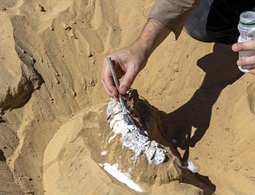
When the Saudi desert was green: a 125,000-year-old lakeside reveals how early humans lived
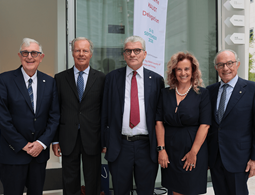
Google’s top results: KAUST student earns prestigious Ph.D. fellowship
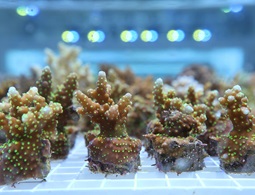
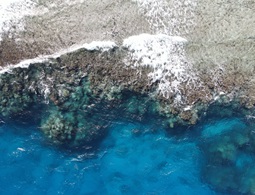
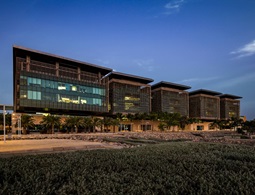
KAUST unveils landmark coral facility on the Red Sea, advancing Saudi scientific expertise and marine conservation
Corals growing in a nursery at the KAUST Coral Restoration Initiative

A scalable membrane for energy-efficient crude oil-to-chemicals separation
A new membrane could reduce reliance on energy-intensive distillation for selected crude oil separation steps.
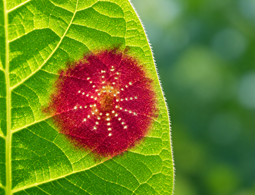
New research tool for precision substance delivery in plants
A reusable system combines microneedles with a miniature pump to deliver chemical and biological substances into specific regions of living plants, giving researchers greater control over experiments.

New coating could help power lines carry more electricity in extreme heat
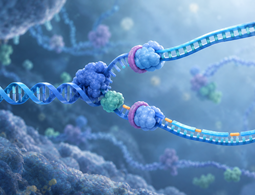
The hidden coordination behind DNA copying
A KAUST study reveals how the molecular machinery that copies human DNA keeps its many parts working in step before cells divide.
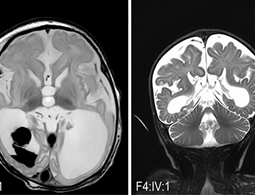
Science solves genetic mystery behind fatal brain disorder in babies and children
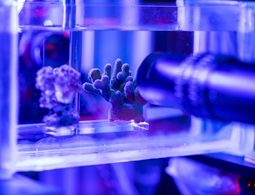
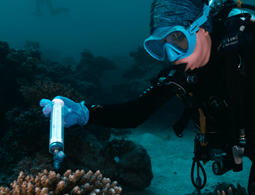
Extreme heat leaves corals short of oxygen
When exposed to acute heat stress, corals can suffocate, rapidly losing their tissue before showing the familiar signs of bleaching.
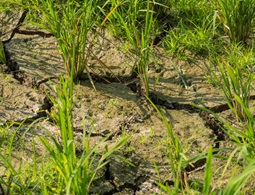
Beneficial bacterium helps plants stay fertile in the heat
Researchers at KAUST have discovered how a beneficial bacterium switches on plants’ natural defenses against heat stress.

KAUST-developed experiments head to space to advance neurodegenerative disease research
KAUST-developed brain cell experiments are heading to the International Space Station aboard a SpaceX mission. The research will examine how cells behave in microgravity, laying the groundwork for future studies of neurodegenerative diseases, including Alzheimer’s and multiple sclerosis.