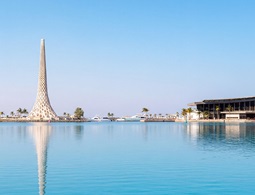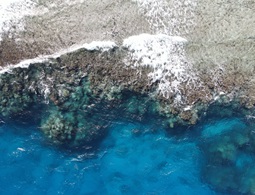
KAUST unveils landmark coral facility on the Red Sea, advancing Saudi scientific expertise and marine conservation
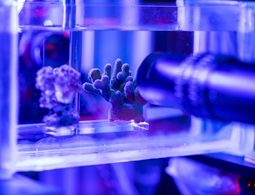
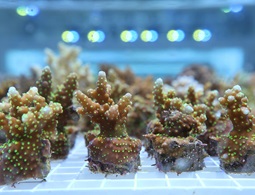
Corals growing in a nursery at the KAUST Coral Restoration Initiative
Corals growing in a nursery at the KAUST Coral Restoration Initiative
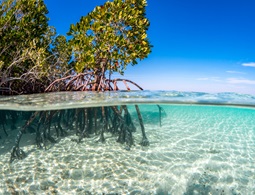
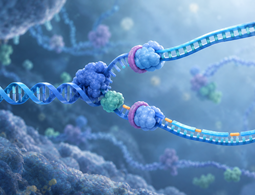
Mangrove soil-derived microbial communities harbor enzymes capable of degrading polyethylene terephthalate (PET).
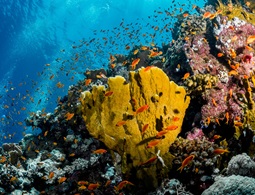
KAUST researchers are testing solutions that may shape how coral reef systems weather the century ahead.
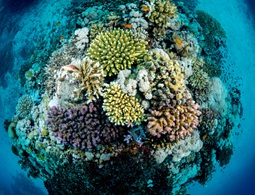
Data collected at a pivotal time provide baseline information for coral reef resilience and management in the northeastern and central Red Sea.
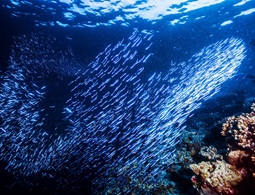
Ensuring sustainable management of coral reef fisheries could provide food security and public health benefits for generations to come.
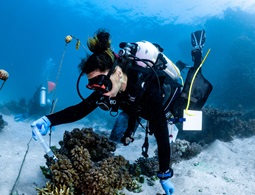
Field trial results from an underwater research laboratory located off the Red Sea coast show promise for microbial-based coral reef restoration.
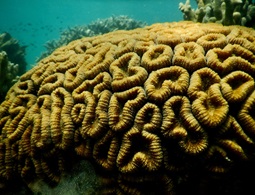
Heat tolerance is being conferred naturally down the generations of a common reef-building coral in response to recent marine heatwaves.
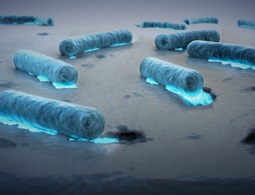
New enzyme motif shows how ocean microbes are evolving to digest plastic — and could help future cleanup efforts.
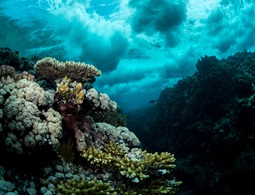
A study of global coral reef distributions reveals that reefs exhibit universal spatial properties conforming to mathematical power laws.
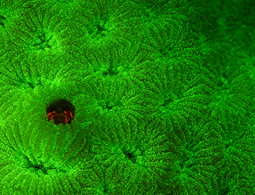
Symbiotic crabs use fluorescence to camouflage themselves in coral reefs.
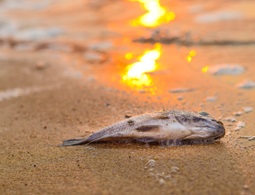
A severe marine heatwave in the Red Sea likely caused a mass fish mortality event and highlights increasing vulnerability of marine ecosystems.