Laser security system protects online data
Miniature devices generate a stream of unique keys for stronger digital security.
Miniature devices generate a stream of unique keys for stronger digital security.
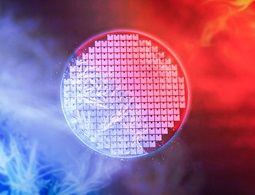
Robust semiconductor enables devices to operate close to absolute zero, with potential applications in space missions and quantum computing.

Realistic AI models of hydrogen plants help stabilize power grids with high levels of renewable energy.
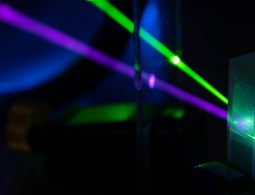
Resilient quantum dot lasers are set to make simpler, greener, and cheaper light-driven integrated circuits.
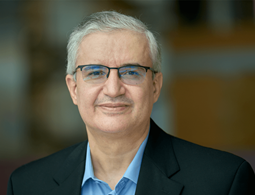
KAUST Professor Mohamed-Slim Alouini has been elected to the U.S. National Academy of Engineering — the first faculty member elected while serving at KAUST — recognizing his global impact in wireless communications and efforts to connect underserved communities advancing Saudi Vision 2030.
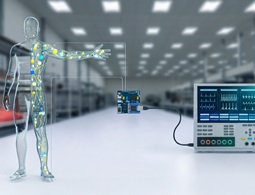
Intelligent system actively self-checks biosensor-skin connections to secure better quality health data.
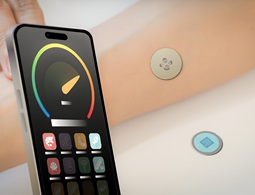
Microneedle-packed biosensor monitors antibodies linked to food allergies, offering early warning before reactions begin.
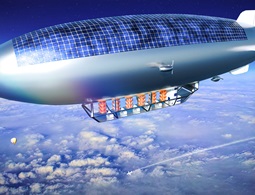
Deploying advanced computers on floating platforms in the stratosphere could save on cooling costs.
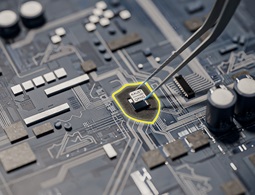
Intensity fluctuations from miniature LEDs provide ultrafast generation rates.
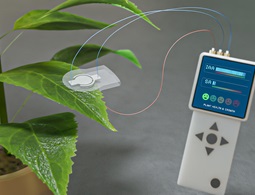
A minimally invasive sensor can continuously measure levels of stress hormones.
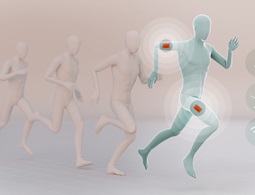
No blood, no batteries — just sweat, microwaves and some seriously cool science.
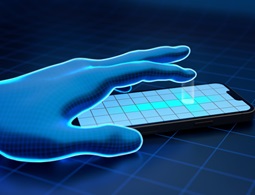
A smartphone-style sensor reads moisture levels in skin, offering a low-cost way to monitor health during fasting, exercise or everyday life.