Soil microbes are source of plastic-degrading enzymes
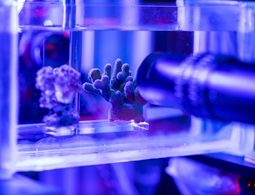
Mangrove soil-derived microbial communities harbor enzymes capable of degrading polyethylene terephthalate (PET).
Mangrove soil-derived microbial communities harbor enzymes capable of degrading polyethylene terephthalate (PET).
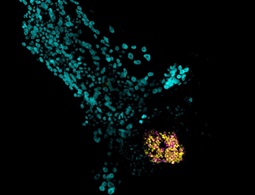
A unique embryo-like cellular model offers a scalable platform for studying human embryogenesis, fertility, and developmental disorders.

How a "Super Transformer" model could unify genomics, imaging and cellular data — and help biologists see the whole.

Brain-inspired network design for computation could lead to more accurate, higher-performance machine learning.

A unified protocol for chemical genomic screening aims to improve reproducibility and collaboration in addressing antimicrobial resistance.

Blueprint of blood cell development traces molecular pathways of health and disease.
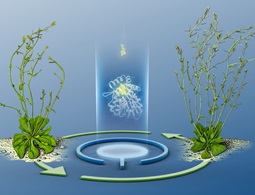
Findings reveal how plants control powerful growth regulators through adaptable molecular strategies, offering new perspectives for agriculture.
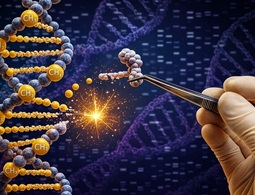
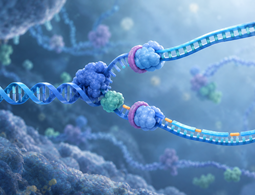
Insights into how CRISPR-Cas9 genome editing leaves lasting epigenetic ‘scars’ may improve safety for patients, and could inform novel treatment options.
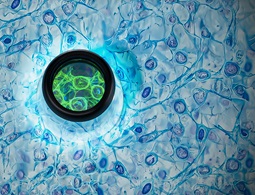
A simple mica-based method boosts the tracking precision and depth of single particles without the need for complex hardware.
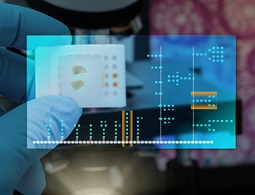
How a small set of glycan genes could help detect and classify tumors.

Deep-learning tool outperforms human experts at classifying lab-grown embryo-like structures, enabling advances in developmental biology and drug discovery.
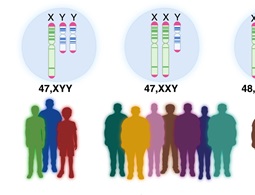
Stem cell study shows how extra X or Y chromosomes derail early development via shared genetic pathways.