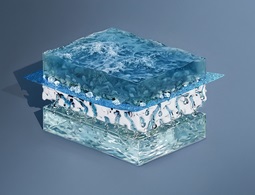
Ultrathin water repellent membrane advances desalination
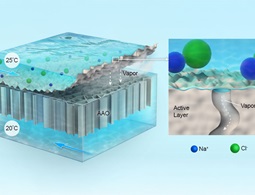
An ultrathin membrane enables energy-efficient freshwater production from seawater and brines at ambient temperature and pressure.
An ultrathin membrane enables energy-efficient freshwater production from seawater and brines at ambient temperature and pressure.

Intelligent system actively self-checks biosensor-skin connections to secure better quality health data.

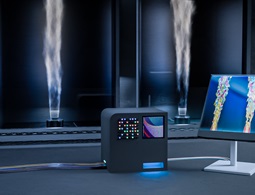
Advanced computer modeling reveals the complex combustion behavior of ammonia, a promising clean-burning carbon-free fuel, potentially accelerating its role in renewable energy systems.
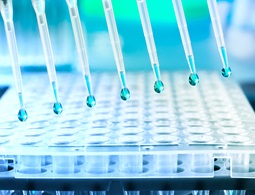
A unified protocol for chemical genomic screening aims to improve reproducibility and collaboration in addressing antimicrobial resistance.

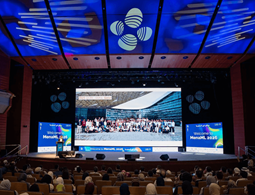
At KAUST’s Winter Enrichment Program 2026, students and leaders explored how science, education, and community prepare societies to adapt to rapid change. Under the theme Adaptation, WEP highlighted resilience, national impact, and preparing future leaders for uncertainty.
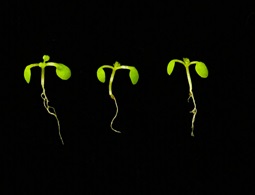
Soil shapes a host gene and the microbiome, enabling growth in low pH, iron-rich conditions.
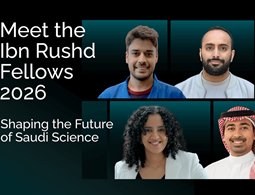
KAUST celebrates the latest Ibn Rushd Postdoctoral Fellows, supporting exceptional Saudi researchers pursuing postdoctoral training at leading global institutions. The fellowship advances national research talent and aligns with Saudi Vision 2030 priorities.
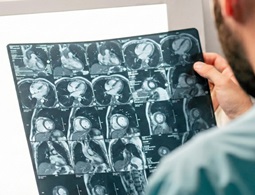
A Bayesian approach that selects the most informative frames for manual labeling could speed up real-time heart MRI analysis.
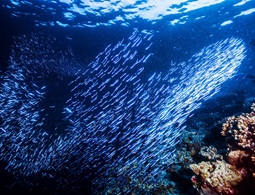
Ensuring sustainable management of coral reef fisheries could provide food security and public health benefits for generations to come.