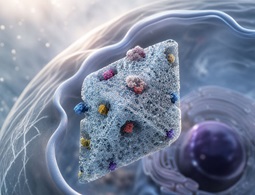

Smaller and sharper: Compact CRISPR scissors cut with precision
By shrinking CRISPR tools and boosting their specificity, researchers hope to expand where and how gene editing can be used.

KAUST researchers develop new way for devices to prove their identity online

Opening a window on architectural nano-design
Ancient building technique inspires a potential solution to the modern challenges of gas separation and storage.
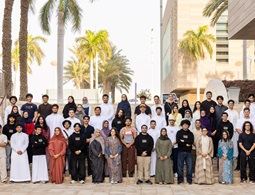
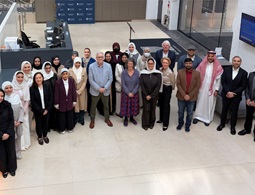
KAUST prepares 70 gifted student program scholars for study abroad
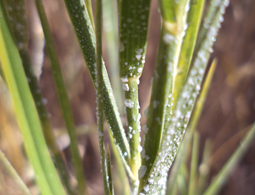
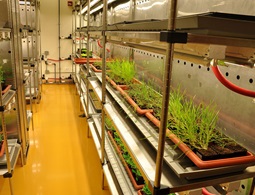
Uncovering the secret to grass’s salty success
Saltgrass is both a potential climate-resilient crop and an important model for studying plant adaptation, genome evolution, and stress tolerance.
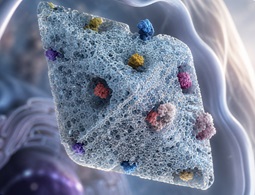
Multi-enzyme pathway delivered into living cells
Nanoreactors ferry multi-protein machinery into cells, opening a potential route to precision therapies.

Five KAUST students selected for Nobel Laureate meeting
Five KAUST Ph.D. students have been selected to attend the 75th Lindau Nobel Laureate Meeting in Germany, joining 600 young researchers from around the world to engage with Nobel Laureates and explore some of science’s most pressing questions.
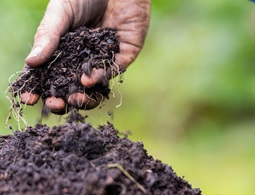
Soil biodiversity is an overlooked frontline of disease prevention
Soil biodiversity is essential for farming and climate stability, but new research shows it may also play a critical role in human health. Intensive agriculture and climate change are rapidly degrading this biodiversity, potentially increasing disease risk.

Advancing membrane technology for more efficient hydrocarbon refining
KAUST researchers helped advance membrane technology that could make hydrocarbon refining more energy efficient. Tested using Arabian Extra Light crude oil, the scalable approach could reduce emissions, improve industrial separations and support cleaner refining and petrochemical processes.

Developing new methods to expand porous materials for cleaner energy applications

Soil microbes are source of plastic-degrading enzymes
Mangrove soil-derived microbial communities harbor enzymes capable of degrading polyethylene terephthalate (PET).