
Smoothing the math of spatial networks
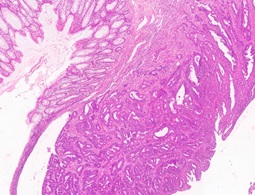
A new statistical approach could make modeling spatial networks more accurate and efficient.

Virtual reality headsets open a window into the mind
AI models can use data from motion sensors to infer what users perceive, but the research reveals privacy risks.
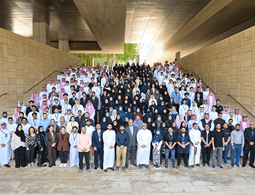
KAUST Academy launches Summer 2026 programs for future STEM talent
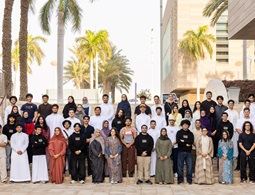
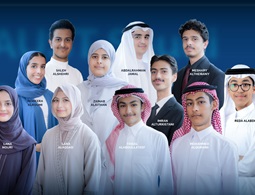
Across three KAUST Academy initiatives — the Science, Technology, and Engineering Program (STEPs), the Saudi Research Science Institute (SRSI), and the High School Summer Program (HSSP) — the University creates a connected pathway that takes students from high school preparation to research experience and academic opportunities, both in Saudi Arabia and around the world.

Nanoscaffolds to support the fight against superbugs
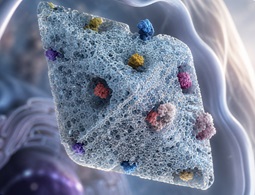
A virus-based scaffolding platform that carries antimicrobial peptides successfully kills multidrug-resistant pathogens in laboratory tests.

Computer science study reveals potential privacy risk in virtual reality headsets
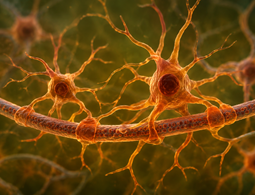
KAUST researchers discovered that motion sensors in commercial VR headsets can capture subtle physiological signals that reveal information related to visual perception. Using an AI system called BRAVESPY, the team demonstrated that sensor data could potentially expose sensitive brain-related information without users realizing it.

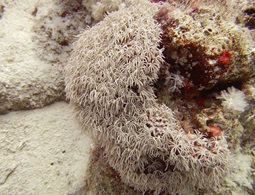
Scientists discover corals can be trained to resist disease
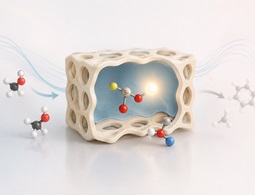
Fluoride treatment gives catalyst extra bite
A surprising discovery about fluoride treatment could inspire new ways to improve industrial catalyst performance.
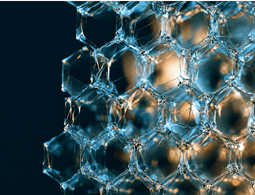
New membrane design could help reduce energy use in industrial gas separation
Researchers at King Abdullah University of Science and Technology (KAUST), together with academic collaborators in China and France, have now developed a new membrane technology that could help reduce that burden while overcoming a longstanding obstacle that has prevented advanced membrane materials from being manufactured at industrial scale.

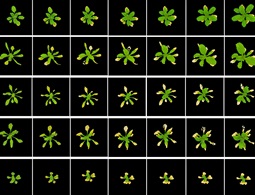
KAUST researchers develop new method for more precise plant engineering

Laser security system protects online data
Miniature devices generate a stream of unique keys for stronger digital security.
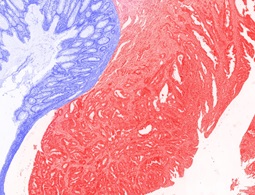
Colorful solution to advanced disease diagnosis
Nanophotonic microscope slides spotlight cancer cells hiding in patient tissue samples.