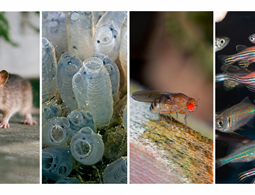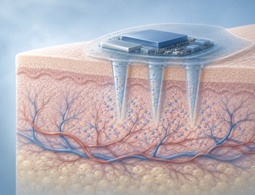
Smaller and sharper: Compact CRISPR scissors cut with precision
By shrinking CRISPR tools and boosting their specificity, researchers hope to expand where and how gene editing can be used.
By shrinking CRISPR tools and boosting their specificity, researchers hope to expand where and how gene editing can be used.
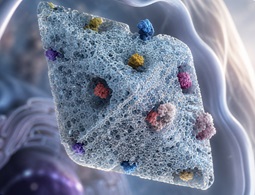
Nanoreactors ferry multi-protein machinery into cells, opening a potential route to precision therapies.
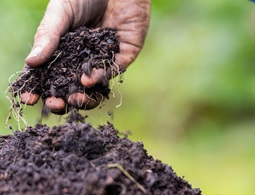
Soil biodiversity is essential for farming and climate stability, but new research shows it may also play a critical role in human health. Intensive agriculture and climate change are rapidly degrading this biodiversity, potentially increasing disease risk.
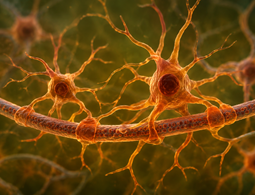
Lactate acts as both fuel and a signaling molecule in the brain, revealing a potential pathway for treating neurological disease.

Professor Alexandre Rosado uses KAUST as a launchpad for discovery, studying extremophile microbes in Saudi Arabia to advance biotechnology, environmental solutions, and the search for life beyond Earth through global space collaborations.