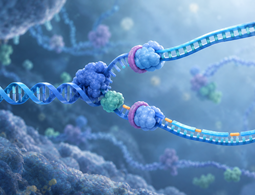
The hidden coordination behind DNA copying
A KAUST study reveals how the molecular machinery that copies human DNA keeps its many parts working in step before cells divide.
A KAUST study reveals how the molecular machinery that copies human DNA keeps its many parts working in step before cells divide.
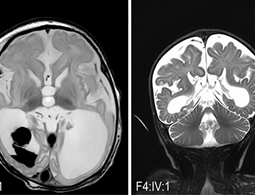

KAUST-developed brain cell experiments are heading to the International Space Station aboard a SpaceX mission. The research will examine how cells behave in microgravity, laying the groundwork for future studies of neurodegenerative diseases, including Alzheimer’s and multiple sclerosis.

Sensor technology developed by KAUST and Oxford detects Parkinson’s-related molecular signals in blood, achieving 90 percent accuracy in an initial clinical study
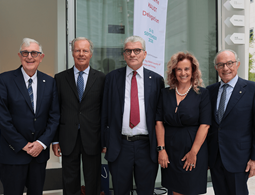
KAUST, the University of Milano-Bicocca, and Bicocca Foundation have formed a new partnership to advance research, education, and innovation across shared priorities including AI, health, sustainable energy, climate change, biotechnology, and food systems.
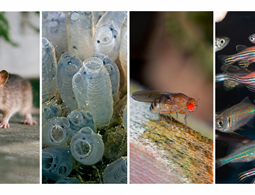
A new AI tool helps identify hidden similarities across distant species.
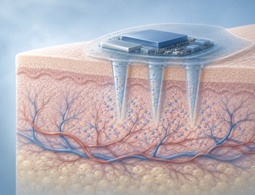
A wearable patch with microneedles coated in DNA molecules tracks levels of antibiotics in the body in real time.

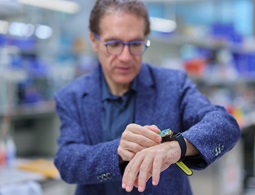
AI models can use data from motion sensors to infer what users perceive, but the research reveals privacy risks.
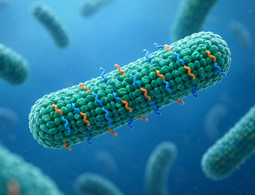
A virus-based scaffolding platform that carries antimicrobial peptides successfully kills multidrug-resistant pathogens in laboratory tests.
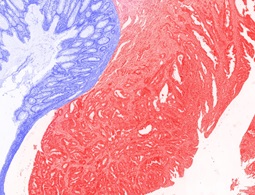
Nanophotonic microscope slides spotlight cancer cells hiding in patient tissue samples.