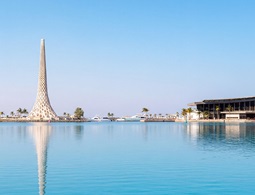
KAUST unveils landmark coral facility on the Red Sea, advancing Saudi scientific expertise and marine conservation
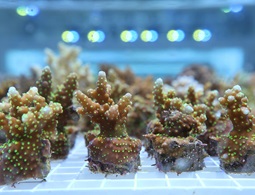
Corals growing in a nursery at the KAUST Coral Restoration Initiative
Corals growing in a nursery at the KAUST Coral Restoration Initiative
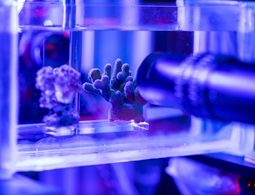
When exposed to acute heat stress, corals can suffocate, rapidly losing their tissue before showing the familiar signs of bleaching.
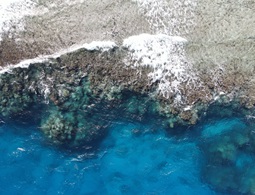
El Niño-Southern Oscillation drives major year-to-year changes in surface salinity across the Red Sea, with the strongest influence occurring in October.
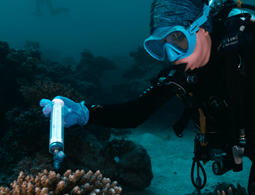
During a natural Red Sea heat wave, KAUST researchers found that probiotic and postbiotic microbial therapies improved heat-stressed coral health. The research could support more scalable approaches to strengthening coral resilience and conservation.
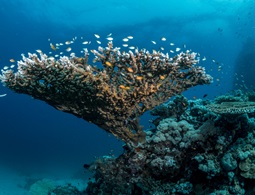
Exposure to cells from a coral pathogen appears to prime corals to respond more effectively to future infections.
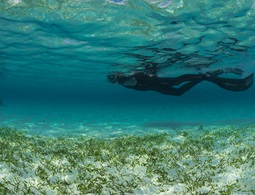
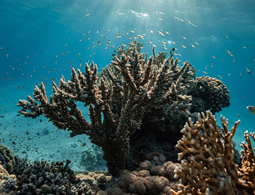
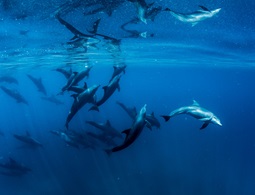
Global tracking data provides new insights into how marine creatures use ocean spaces and highlights the need for additional measures to achieve conservation targets.
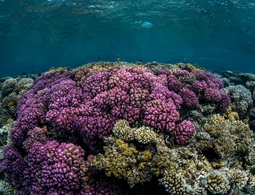
Red Sea corals accumulate pharmaceuticals, pesticides, and other human-derived contaminants across reefs along the central Red Sea coast.
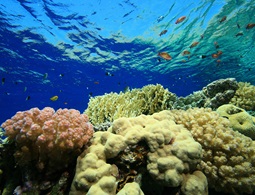
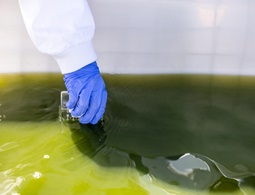
Harvesting and processing micro- and macroalgae hold versatile industrial applications and could help meet food security and carbon neutrality goals.
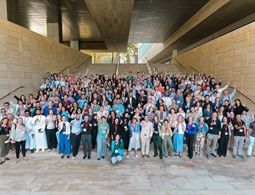
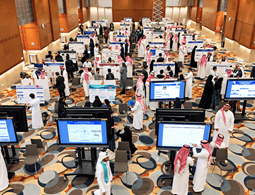
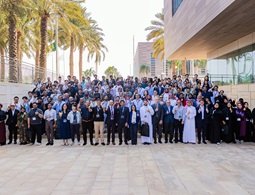
Global coral reef experts convened at KAUST for the Nature conference Corals, Coasts and One Health, highlighting how reef health, coastal resilience and human well-being are interconnected — and why coordinated science, restoration and policy are critical to protecting reefs and communities.