A scalable membrane for energy-efficient crude oil-to-chemicals separation
A new membrane could reduce reliance on energy-intensive distillation for selected crude oil separation steps.
A new membrane could reduce reliance on energy-intensive distillation for selected crude oil separation steps.
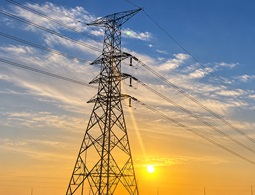
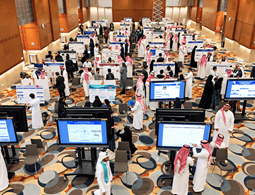
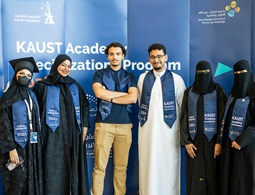
KAUST Academy collaborated with Vista Equity Partners and Energy Exemplar to deliver hands-on training in energy systems modeling, helping develop national expertise in power infrastructure planning to support Saudi Arabia’s growing AI and energy ambitions.
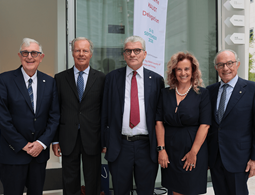
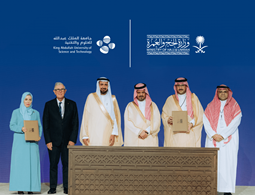
KAUST, the University of Milano-Bicocca, and Bicocca Foundation have formed a new partnership to advance research, education, and innovation across shared priorities including AI, health, sustainable energy, climate change, biotechnology, and food systems.
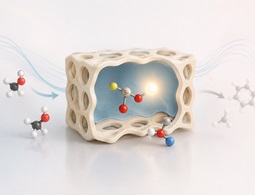
A surprising discovery about fluoride treatment could inspire new ways to improve industrial catalyst performance.
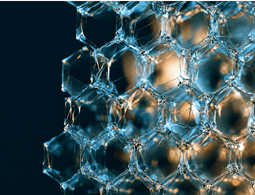
Researchers at King Abdullah University of Science and Technology (KAUST), together with academic collaborators in China and France, have now developed a new membrane technology that could help reduce that burden while overcoming a longstanding obstacle that has prevented advanced membrane materials from being manufactured at industrial scale.

Laser-based sensor detects gases released in the early stages of battery failure, enabling timely safety shutdowns.
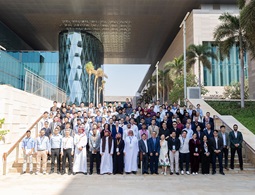
Saudi Arabia’s energy future depends on storage. At KAUST’s Frontiers in Energy Storage 2026, researchers, industry, and policymakers aligned around batteries, hydrogen, and deployable systems — advancing in-Kingdom technologies to deliver resilient, clean energy at scale.