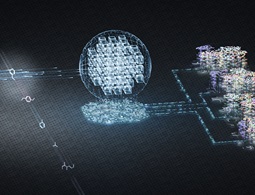
A firefly’s flash inspires new nanolaser light
Synchronized emissions from innovative on-chip lasers create possibilities for inexpensive artificial neural networks.
Synchronized emissions from innovative on-chip lasers create possibilities for inexpensive artificial neural networks.

Insights into the thermal behavior of metal-nitride nanowires could open new avenues in optical electronics.
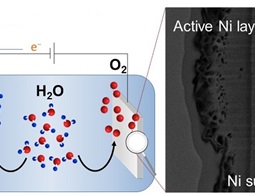
A simple treatment of nickel to make it an efficient catalyst for water splitting.
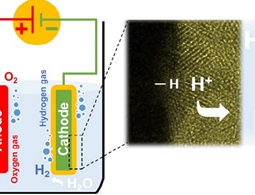
A coating of molybdenum improves the efficiency of catalysts for producing hydrogen.
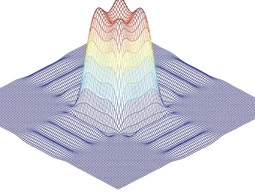
A new method for shaping the waveform generated by multi-antenna radar systems is inexpensive and practical.
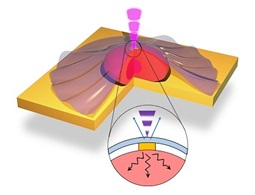
New nano-sized sensors provide unprecedented data on how heat diffuses in and out of living cells.
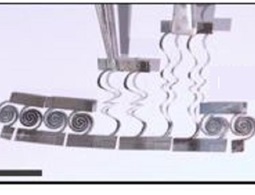
Deformable thermoelectric materials add a new twist to the design of energy-scavenging devices.

Autonomously pairing network users could expand the capability of the next generation of wireless networks
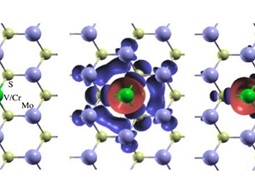
Access to valley-polarized charge carriers by magnetic doping could transform electronics.
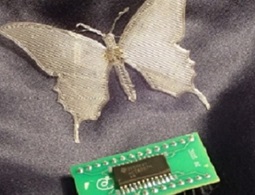
High-speed fabrication developed at KAUST can turn out adhesive and flexible electronic devices in any shape imaginable.

Wafer-thin, scratch-proof films can generate a rainbow of colors using random metallic nanostructures.
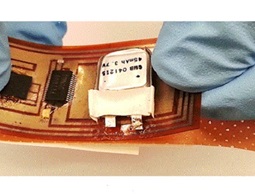
Smart bandage technology provides instant updates on the condition of chronic wounds through a mobile phone app.