Wireless devices tune-in to cloud power
Next-generation mobile networks can use cloud computing algorithms to manage the increasingly high data demands of users.
Next-generation mobile networks can use cloud computing algorithms to manage the increasingly high data demands of users.
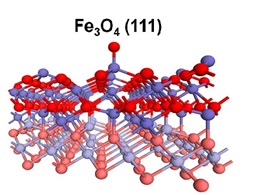
The surface structure of magnetite is crucial to its performance in magnetism-based electronic applications.

Growing high-quality films of hybrid perovskite materials takes solution-processed phototransistors to new levels of performance.
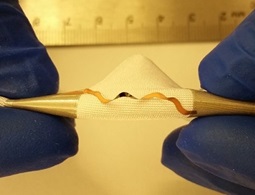
A low-cost, copper-based flexible and stretchable antenna improves far-field data communication in wearable electronics.

A new biosensor made of laser-etched electrodes on a gold-coated polymer may provide an effective and cost-efficient way to assess heart disease risk.

Biocompatible tactile sensors based on magnetic hair-like structures enable new applications for touch sensors.

Subtle changes to the composition of a semiconductor structure enable laser light at colors previously not thought possible.

A novel computing technique recognizes and captures the distinctive surface patterns appearing in videos and images.
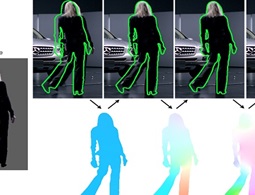
A surprisingly simple algorithm helps computers perceive individual objects inside videos from their movement patterns.
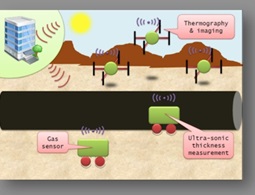
An improved wireless communication protocol enables more robust links between remote electronic devices.

Identifying noise in communication signals helps to filter out glitches and improve transmission quality.
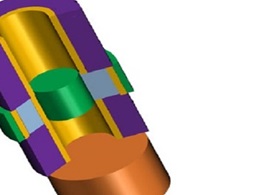
Transistor designs based on nanotubes could considerably reduce the power demands of computers.