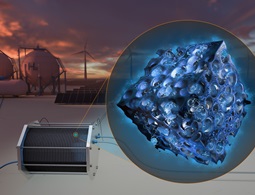
Green hydrogen from fluctuating power sources
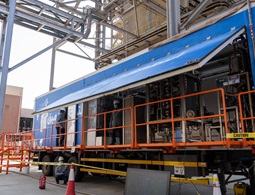
Controversial catalyst additive improves stability in direct green hydrogen production.
Controversial catalyst additive improves stability in direct green hydrogen production.
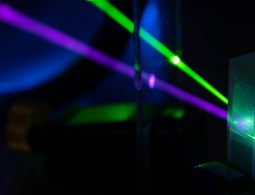
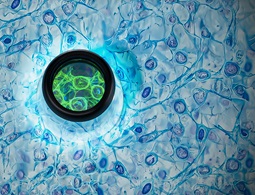
Resilient quantum dot lasers are set to make simpler, greener, and cheaper light-driven integrated circuits.
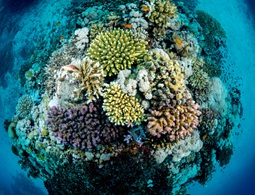
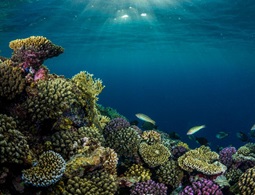
Data collected at a pivotal time provide baseline information for coral reef resilience and management in the northeastern and central Red Sea.
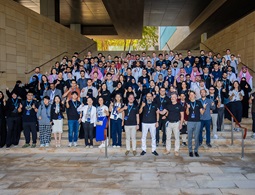
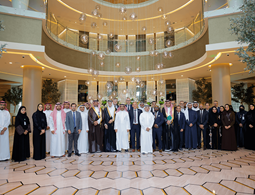
KAUST’s Rising Stars in AI Symposium brought together 25 top early-career researchers from 430-plus global applicants to advance core AI and real-world applications. From reasoning models to trustworthy and embodied AI, the event highlights how KAUST is shaping the next generation of AI talent.
Brain-inspired network design for computation could lead to more accurate, higher-performance machine learning.
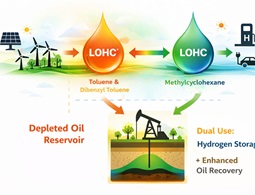
Combining hydrogen with liquid organic molecules could cut costs, simplify storage, and even help to recover residual oil.
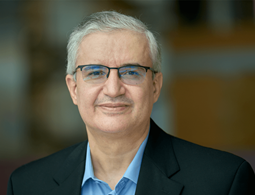
KAUST Professor Mohamed-Slim Alouini has been elected to the U.S. National Academy of Engineering — the first faculty member elected while serving at KAUST — recognizing his global impact in wireless communications and efforts to connect underserved communities advancing Saudi Vision 2030.
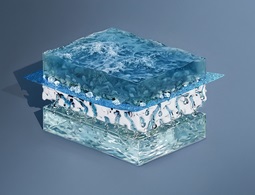
An ultrathin membrane enables energy-efficient freshwater production from seawater and brines at ambient temperature and pressure.
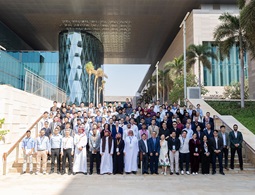
Saudi Arabia’s energy future depends on storage. At KAUST’s Frontiers in Energy Storage 2026, researchers, industry, and policymakers aligned around batteries, hydrogen, and deployable systems — advancing in-Kingdom technologies to deliver resilient, clean energy at scale.

Intelligent system actively self-checks biosensor-skin connections to secure better quality health data.