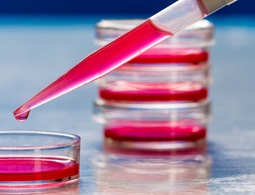
Bringing together the tools to harness the potential of microbial diversity
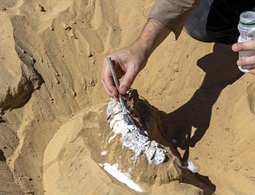
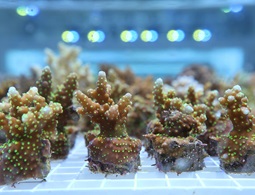
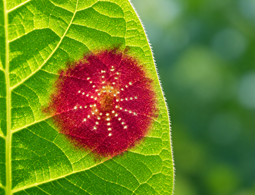
Combining approaches to better discover and cultivate microbial taxa could generate novel microbes for industrial and agricultural applications.
Combining approaches to better discover and cultivate microbial taxa could generate novel microbes for industrial and agricultural applications.

Despite scientific debate, protecting and restoring natural forests is essential for global climate mitigation and adaptation.

Vanillin and thymol replace fossil-based solvents to produce a fully bio-based ultrafiltration membrane that can clarify fruit juices.
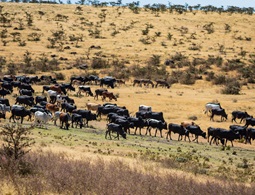
A global field survey of dryland sites shows that plant species richness is the strongest predictor of resistance to overgrazing.
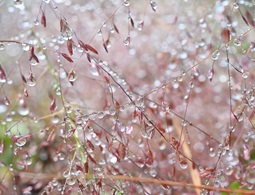
When water leaves a hydrophobic material, it acquires an electrical charge that could affect liquid-handling processes.

An ultrathin membrane enables energy-efficient freshwater production from seawater and brines at ambient temperature and pressure.
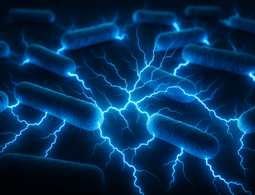
New electron transfer pathways discovered in Desulfobacterota reveal surprising microbial versatility and energy potential.
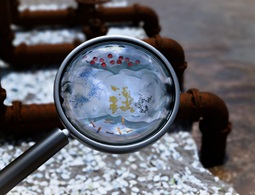
A study conducted during COVID-19 travel restrictions sheds light on the relationship between mass gatherings and the spread of antibiotic resistance.

A black fungus that can tolerate extreme salinity and intense radiation in a Mars-like environment provides insights into planet habitability and beyond.
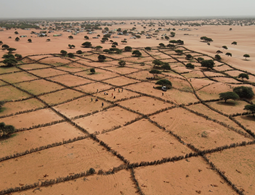
Immediate international collaboration is needed to reverse current trends in global land degradation by transforming food systems.

Swift action to curb methane emissions could rapidly bring down the rate of global warming, modeling shows.
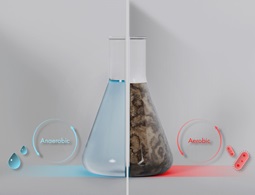
Using anaerobic membrane bioreactors in wastewater treatment plants may help stem the release of antimicrobial resistance genes into the environment.