Sediments reveal core stressors on Red Sea ecosystems
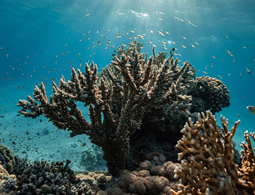
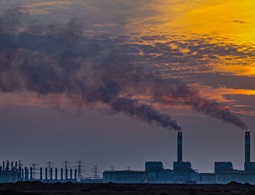
Analyses of sediment cores highlight declining nutrient availability and increased trace metal pollution in the Red Sea.
Analyses of sediment cores highlight declining nutrient availability and increased trace metal pollution in the Red Sea.
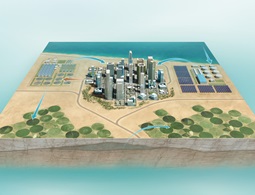
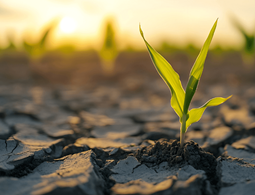
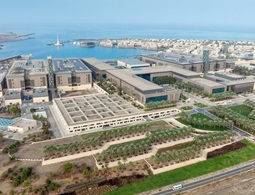
Researchers propose a pathway to create sustainable greening initiatives in the Middle East using existing technologies.
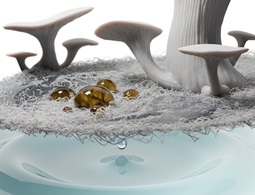
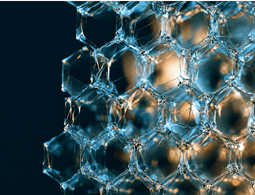
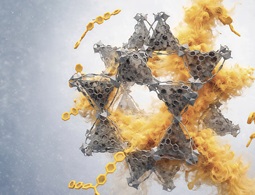
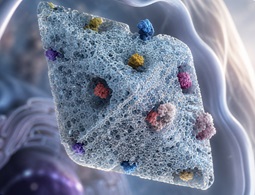
Bio-inspired membrane materials from fungi mycelium are set to revolutionize separation technologies.
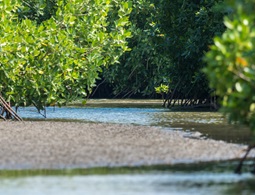
Marine ecosystem models should account for vast fluctuation in dissolved oxygen.
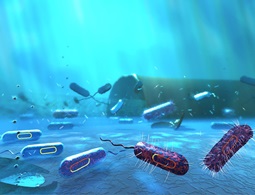
A complex interplay of factors influences the spread of superbug genes during wastewater treatment and reuse.

Cool heads clear a pathway for the development of a sustainable cooling technology.
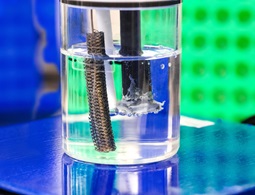
An electroactive bacterium generates well-defined nanosized metal catalysts with remarkable water-splitting performance.
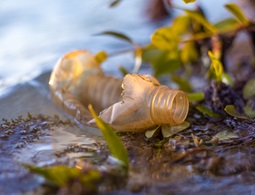
Plant-derived biosolvents enable the sustainable conversion of plastic waste into valuable membrane materials.
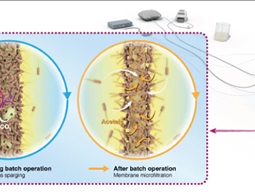
Multifunctional porous conductive membranes help microbes eat their way to a faster carbon dioxide conversion.
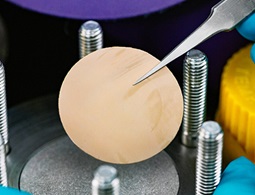
Polymer-based membranes that selectively separate hydrocarbon and crude oil mixtures could eclipse current industrial thermal processes.
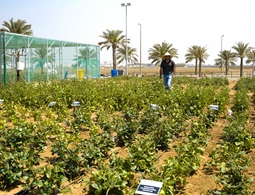
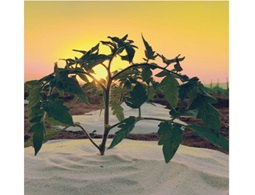
A sand-based mulch could help reduce irrigation on desert farms.