Bio-inspired network structures for next-generation AI
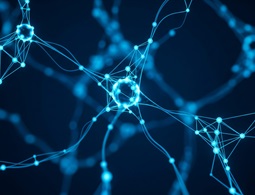
Brain-inspired network design for computation could lead to more accurate, higher-performance machine learning.
Brain-inspired network design for computation could lead to more accurate, higher-performance machine learning.
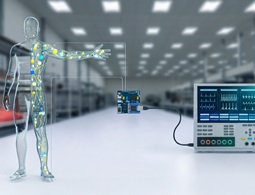
Intelligent system actively self-checks biosensor-skin connections to secure better quality health data.
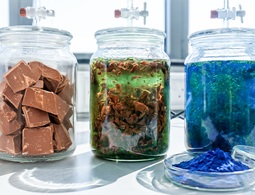
Ancient algae turn chocolate factory waste and other organic matter into valuable bio-based products, supporting a sustainable circular bioeconomy.
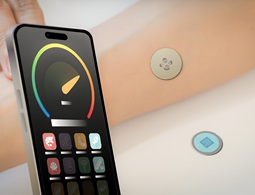
Microneedle-packed biosensor monitors antibodies linked to food allergies, offering early warning before reactions begin.
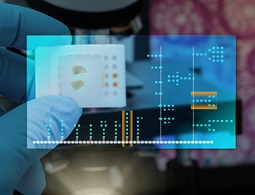
How a small set of glycan genes could help detect and classify tumors.
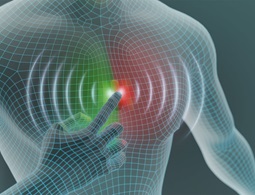
A wearable, optoelectronic patch worn on the skin could transform blood pressure monitoring for patients with chronic health conditions.
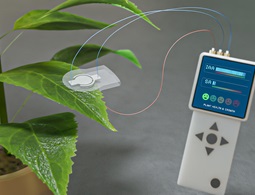
A minimally invasive sensor can continuously measure levels of stress hormones.
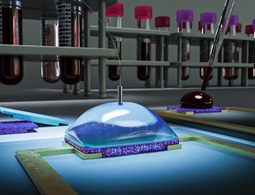
The structure of polymers in organic electrochemical transistors can dramatically alter their interaction with ions in biological samples.
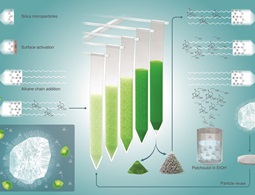
Circular bioprocess deploys functionalized microparticles to collect sustainably generated chemicals from microorganisms.
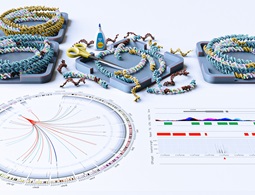
Simple fixes of unintended large genetic insertions uncovered in genome editing offer improved safety and reliability.

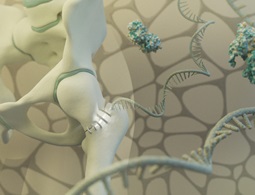
Viral RNA elements induce controlled inflammation to trigger bone repair, which could be used to treat osteoporosis and other diseases.