Better biosensors on edge
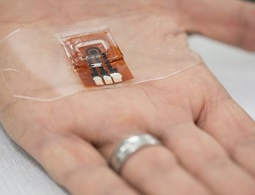
Inscribing porous, carbonized patterns into a polymer creates sensitive electrodes that detect biological molecules.
Inscribing porous, carbonized patterns into a polymer creates sensitive electrodes that detect biological molecules.
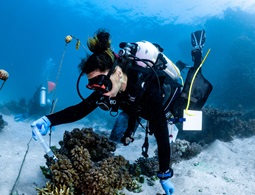
The close association between corals and bacteria may help protect coral from heat stress and bleaching.

A gene-editing method shows promise for using targeted gene-replacement therapy in living organisms.

Reliable processing of an efficient solar cell material depends on how the solvent is removed.
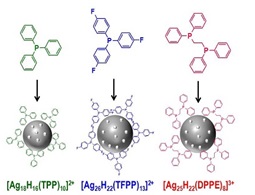
Surrounding silver nanoclusters with hydrogen-rich shells offers new opportunities in catalysis and opto-electronics.
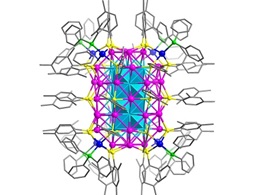
Research at KAUST finds that silver atoms can be crafted into a box-shaped nanocluster by careful selection of ligand molecules.
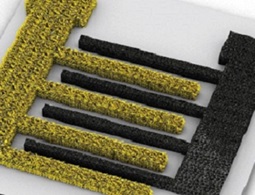
Microscale energy storage units for wearable and miniaturized electronic devices are improved using porous materials.
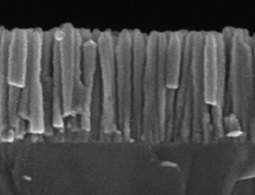
Fleeting bursts of light and electrons reveal traps that hamper solar cells and sensors.
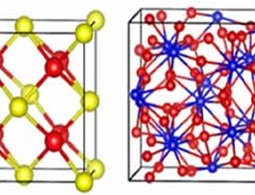
Tin selenide is an effective host for storing sodium ions, making it a promising material for sodium ion batteries.
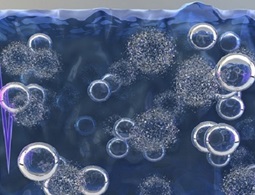
Imploding bubbles improve the growth of single-crystalline perovskite solar cell thin films.
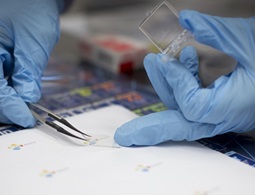
Atom-by-atom deposition leads to low-cost, high-performance transparent electronic materials.
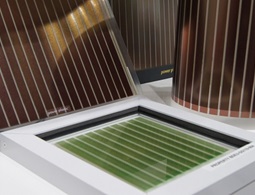
Understanding the impact of surface defects underpins improved efficiency of hybrid organic/inorganic solar cells.