Silver nanospheres expose cancer’s single flaw
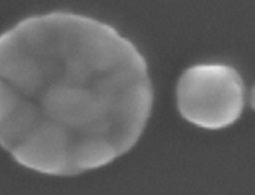
Arrays of tiny silver nanolenses can detect a unique mutation with the potential to cause cancer among a mix of human peptides.
Arrays of tiny silver nanolenses can detect a unique mutation with the potential to cause cancer among a mix of human peptides.
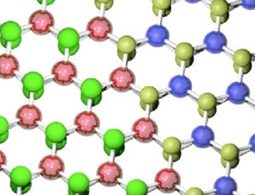
Perfect interfaces between sheets of two-dimensional semiconductors enable advanced electronic devices.
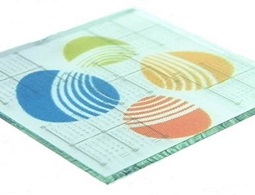
Performance improvements of indium zinc oxide transistors could lead to enhanced transparent displays for screens and phones.
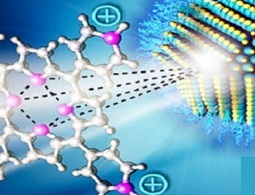
Quantum dots improve the performance of cost-effective, solution-processed solar cells.
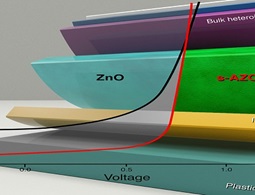
An oxide layer optimized to selectively transmit electrons can improve the efficiency of organic solar cells beyond 10 percent.

Funding from KAUST is helping to bring innovative solar power technology to fruition with startup company QD Solar.
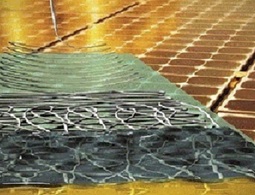
The fabrication of branched titanium dioxide nanomaterials enhances the connectivity in solar cells for a better performance.
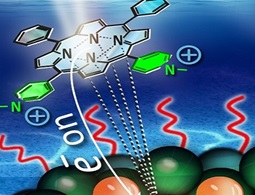
Efficiently extracting the charge required by quantum dot solar cells can be controlled by chemically configuring molecules.

A woven carbon cloth coated in a conducting polymer and an oxide-material provides a stable way of storing energy.
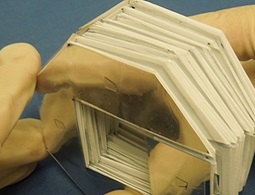
Lightweight and low-cost device uses friction inside paper-based coils to transform mechanical motion into electricity.
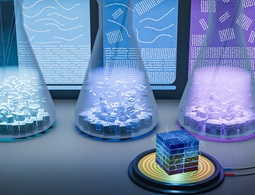
A fast and cost-efficient fabrication process for high-quality perovskite crystals bridges the gap to silicon.
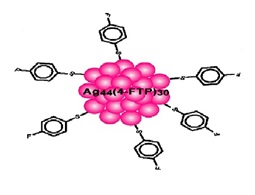
Replacing the organic molecules surrounding atomically precise silver nanoparticles prepares them for practical applications.