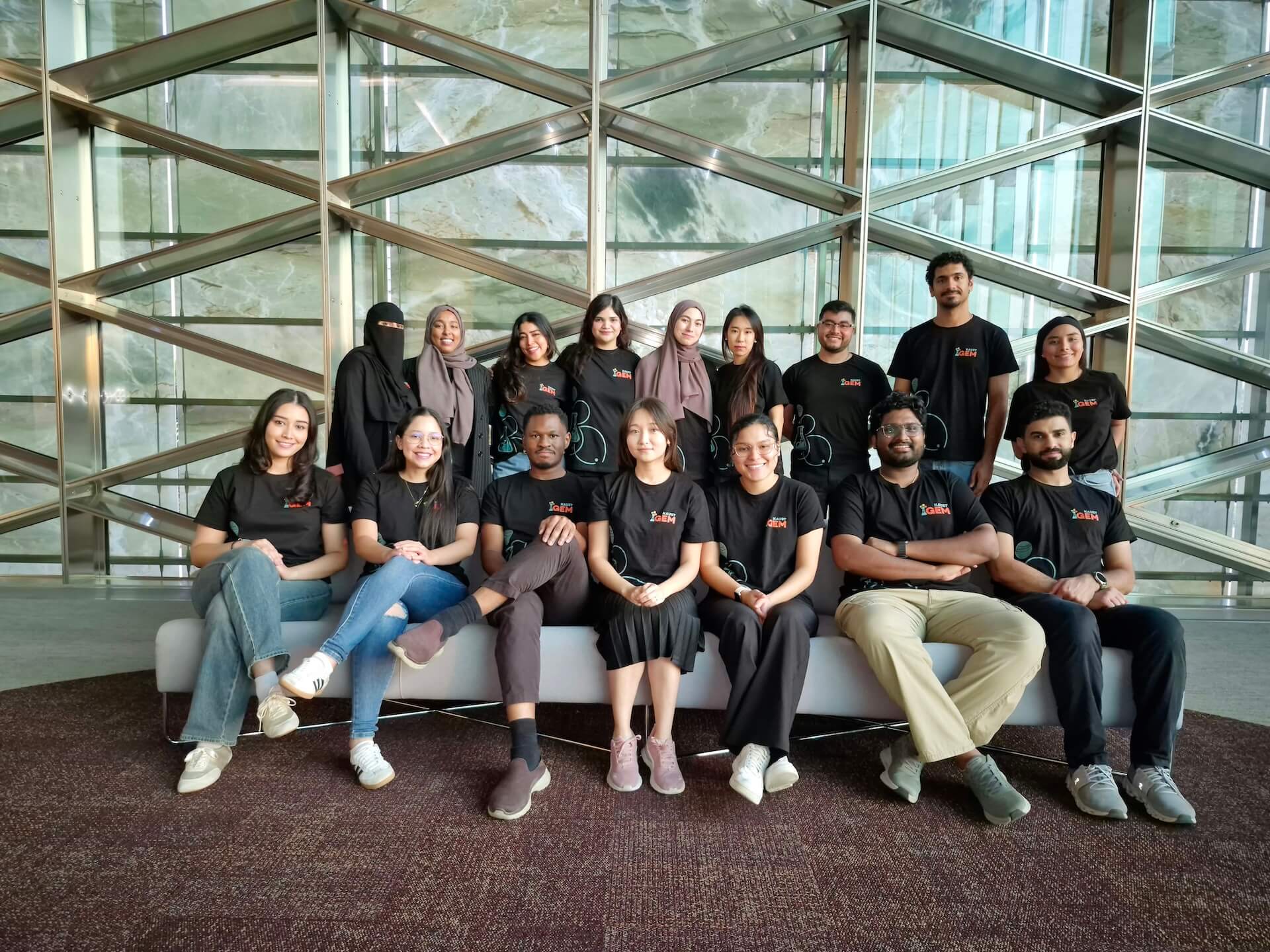
Access to medicines on demand is an important challenge during long-duration space missions. A team of more than 20 students from King Abdullah University of Science and Technology (KAUST) competing for the first time in the International Genetically Engineered Machine (iGEM) competition has developed a potential solution.
Earning a gold medal for excellence across the competition’s criteria, along with two prestigious prizes and several nominations, the KAUST team developed a system designed to enable astronauts to produce biologic medicines during space missions rather than relying entirely on supplies transported from Earth.
Their approach involved engineering radiation-resistant microorganisms capable of producing medicinal proteins and designing a compact bioreactor with an integrated protein purification system, intended to operate autonomously in low-gravity conditions.
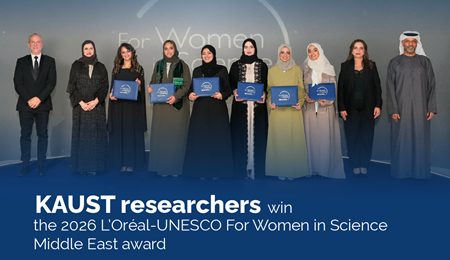
The KAUST iGEM student team earned a gold medal, two special prizes, and a top 10 finish at the 2026 iGEM competition in Paris.
For team lead Ansal’ Diassova and co-lead Francesca Rivas Cuestas, KAUST's first iGEM journey was exhilarating but full of obstacles. Both were grateful for the chance to turn the team’s ambitious idea into a project with real potential for impact, and to put KAUST and Saudi Arabia on the map at one of the world’s biggest synthetic biology competitions. KAUST is just the second Saudi university to have competed in iGEM.
At the iGEM Grand Jamboree, held November 13–16, 2026, in Paris, the team received the Best Space Project and Best Hardware awards. The students also placed among the top 10 teams in the Overgrad category and received nominations for Best Integrated Human Practices, Best Measurement, and Best Wiki.
The annual competition brought together more than 5,000 participants representing 463 teams from around the world. Co-lead principal investigators Professor Wayne Yang and Dr. Raik Grünberg, senior research scientist, said the University’s success at iGEM is a testament to the strength and dedication of students, staff, and faculty in the BioMed Division and across KAUST. “I am extremely proud of what the students have accomplished in the past year,” Yang said.
Students self-organized into a team and began preparations for the competition in January 2026. Drawing on interdisciplinary expertise from several KAUST laboratories, the team developed SHIHAB — Arabic for “shooting star.”
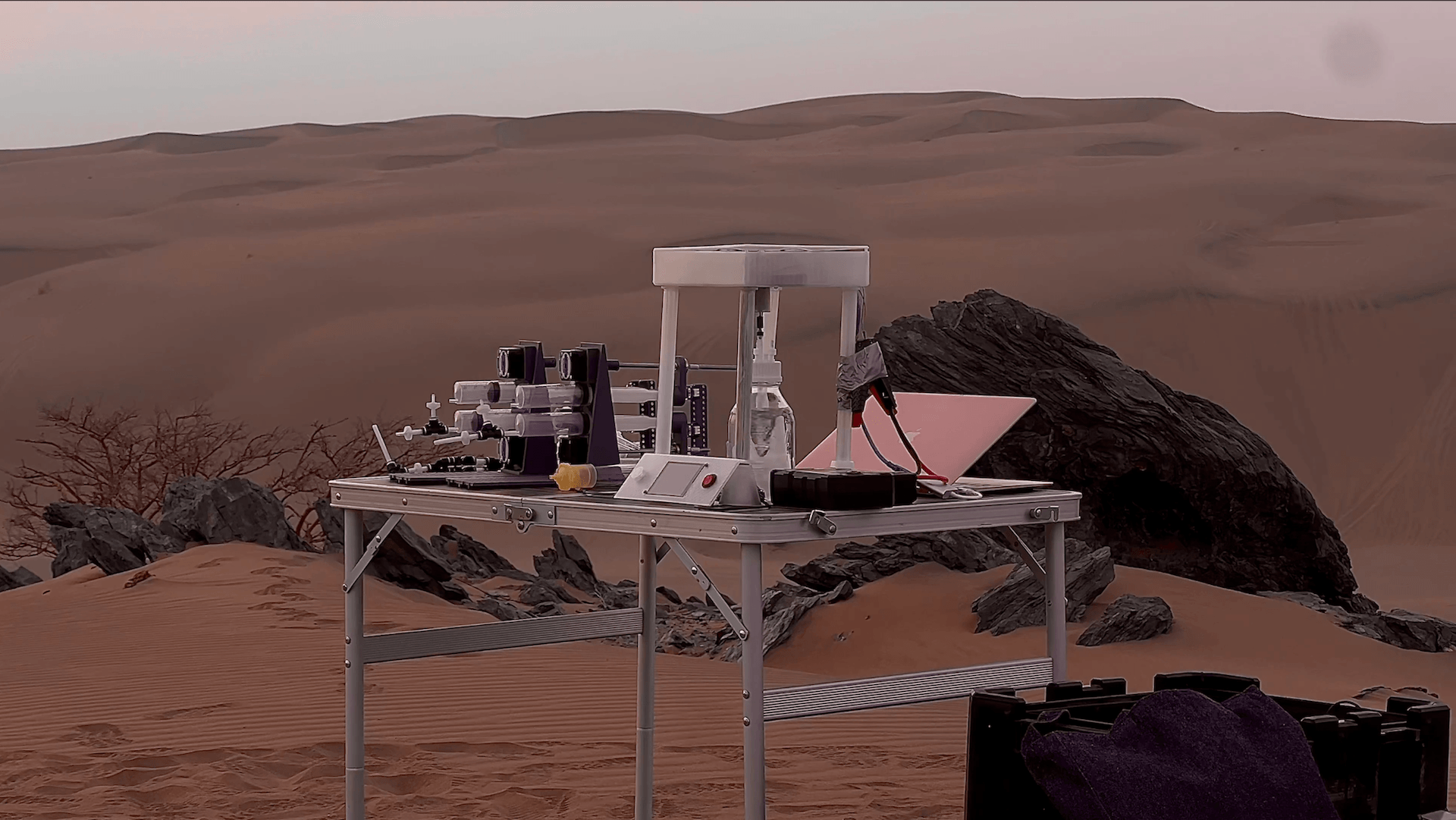
The team tested its SHIHAB bioreactor in the Saudi desert, using the environment as an analogue for conditions on Mars.
Using the X-ray irradiation facility in the Animal Resources Core Lab, the students exposed their microorganisms to radiation levels many times higher than those expected during a long-duration mission. Working in their own dedicated laboratory, the iGEM team also consulted protein engineering scientists in the laboratories of Professors Stefan Arold and Samir Hamdan, particularly Dr. Muhammad Tehseen, to help demonstrate that the engineered strains could produce the intended proteins.
The team also consulted Rayyanah Barnawi, the first Saudi woman astronaut and a KAUST Ph.D. candidate, to better understand the practical demands of space travel. To assess the bioreactor outside controlled laboratory conditions, the students conducted field tests in the Saudi desert, using the environment as an analogue for Mars.
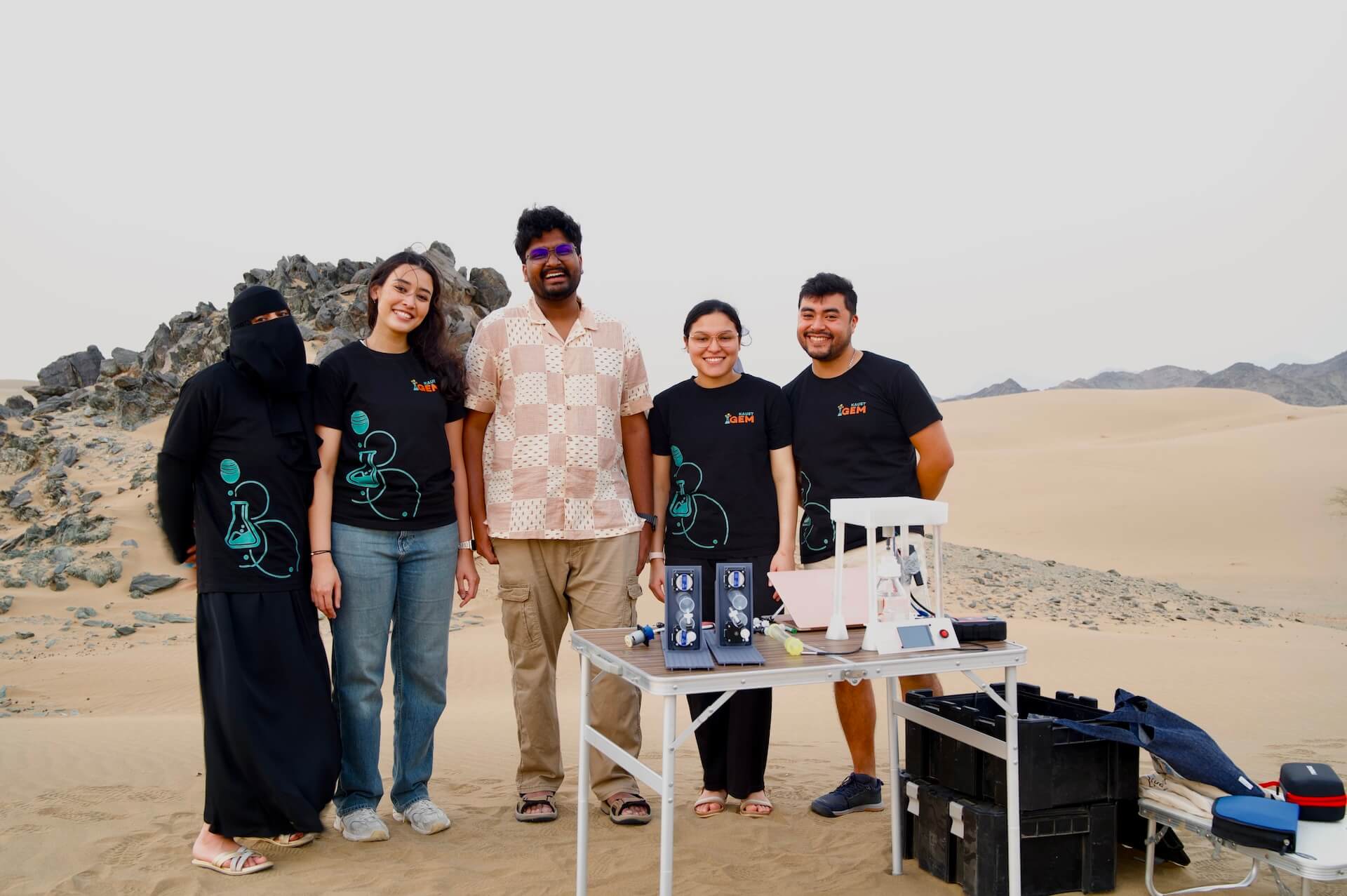
All smiles for members of KAUST’s iGEM team testing their SHIHAB bioreactor in the Saudi desert.
iGEM judges showed particular interest in the team’s hardware, with one remarking that he might replace the commercial protein purification equipment used in his own laboratory.
Nadia Houti, a master’s student in bioengineering who led the KAUST team’s hardware development, emphasized the importance of demonstrating the system’s capabilities beyond controlled laboratory conditions. “It wasn’t enough to just build hardware; we had to make it work beyond the lab,” she said.
Building on its successful debut, KAUST is already fielding proposals for its 2027 iGEM team. The full SHIHAB project is documented on the team’s wiki.