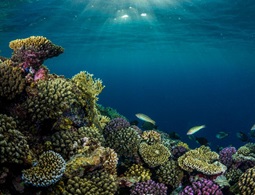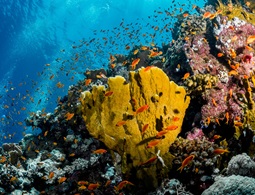
Buying time for coral reefs
KAUST researchers are testing solutions that may shape how coral reef systems weather the century ahead.
KAUST researchers are testing solutions that may shape how coral reef systems weather the century ahead.
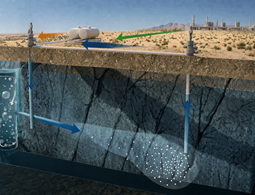
By recirculating groundwater, carbon emissions can be mineralized without additional water, enabling subsurface carbon dioxide storage in arid regions.
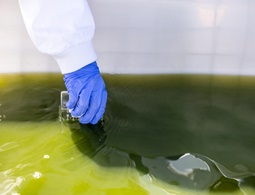
Harvesting and processing micro- and macroalgae hold versatile industrial applications and could help meet food security and carbon neutrality goals.
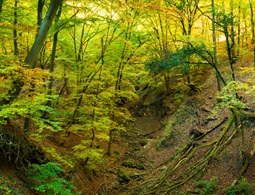
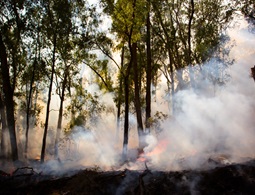
Despite scientific debate, protecting and restoring natural forests is essential for global climate mitigation and adaptation.

AI-assisted search rapidly pinpoints high-performance catalyst for direct CO2-to-jet fuel conversion.

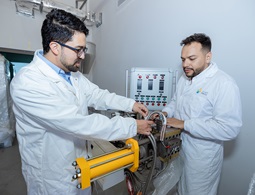
Vanillin and thymol replace fossil-based solvents to produce a fully bio-based ultrafiltration membrane that can clarify fruit juices.
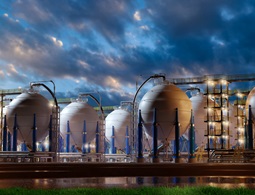
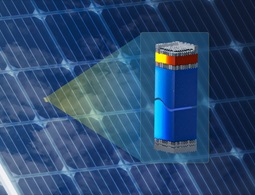
Realistic AI models of hydrogen plants help stabilize power grids with high levels of renewable energy.

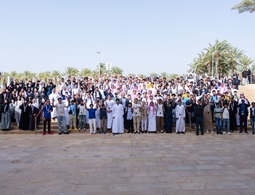
From environmental policy to digital operations in global energy, KAUST prepares Saudi engineers with the skills, leadership, and global perspective needed to support Vision 2030 and the Kingdom’s evolving workforce.
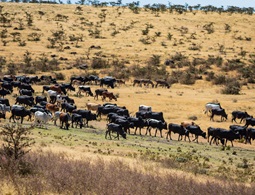
A global field survey of dryland sites shows that plant species richness is the strongest predictor of resistance to overgrazing.

When water leaves a hydrophobic material, it acquires an electrical charge that could affect liquid-handling processes.