Colorful solution to advanced disease diagnosis
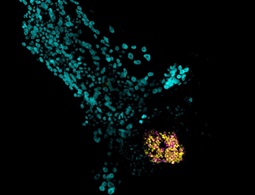
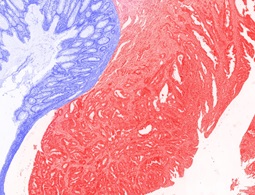
Nanophotonic microscope slides spotlight cancer cells hiding in patient tissue samples.
Nanophotonic microscope slides spotlight cancer cells hiding in patient tissue samples.
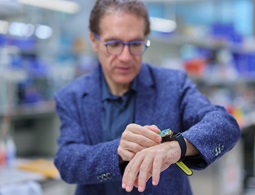

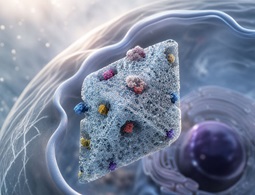
By shrinking CRISPR tools and boosting their specificity, researchers hope to expand where and how gene editing can be used.

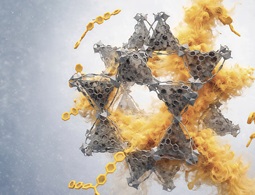
Ancient building technique inspires a potential solution to the modern challenges of gas separation and storage.
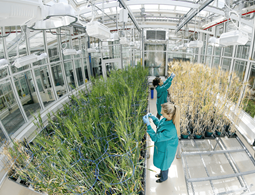
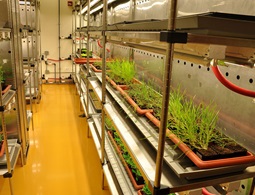
KAUST and Riyadh-based SEQUENCIVE have launched namya to bring the University’s MiZax agricultural technology to market. Built on more than a decade of research, the venture aims to advance sustainable agriculture and food security in Saudi Arabia and beyond.
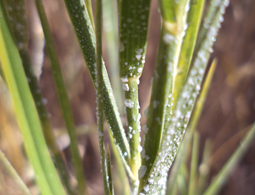
Saltgrass is both a potential climate-resilient crop and an important model for studying plant adaptation, genome evolution, and stress tolerance.
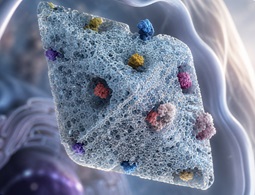
Nanoreactors ferry multi-protein machinery into cells, opening a potential route to precision therapies.
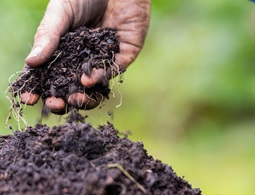
Soil biodiversity is essential for farming and climate stability, but new research shows it may also play a critical role in human health. Intensive agriculture and climate change are rapidly degrading this biodiversity, potentially increasing disease risk.

KAUST researchers helped advance membrane technology that could make hydrocarbon refining more energy efficient. Tested using Arabian Extra Light crude oil, the scalable approach could reduce emissions, improve industrial separations and support cleaner refining and petrochemical processes.