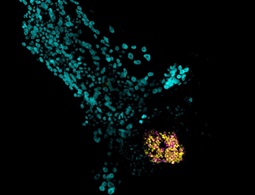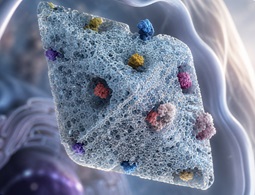
Multi-enzyme pathway delivered into living cells
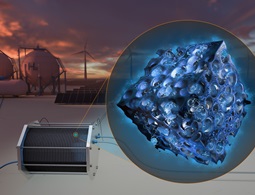
Nanoreactors ferry multi-protein machinery into cells, opening a potential route to precision therapies.
Nanoreactors ferry multi-protein machinery into cells, opening a potential route to precision therapies.
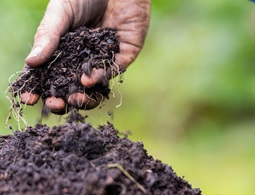
Soil biodiversity is essential for farming and climate stability, but new research shows it may also play a critical role in human health. Intensive agriculture and climate change are rapidly degrading this biodiversity, potentially increasing disease risk.

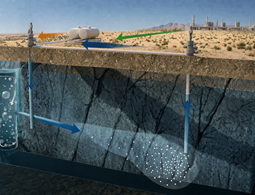
KAUST researchers helped advance membrane technology that could make hydrocarbon refining more energy efficient. Tested using Arabian Extra Light crude oil, the scalable approach could reduce emissions, improve industrial separations and support cleaner refining and petrochemical processes.
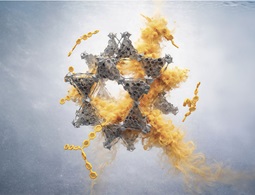

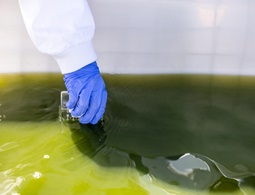
Mangrove soil-derived microbial communities harbor enzymes capable of degrading polyethylene terephthalate (PET).
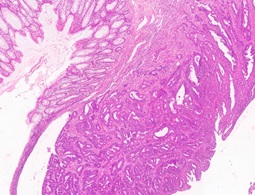
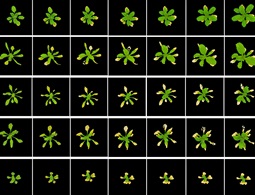
An enzyme recruited to stress granules that form during heat stress in Arabidopsis plants helps boost tolerance to both sudden and gradual temperature rises.


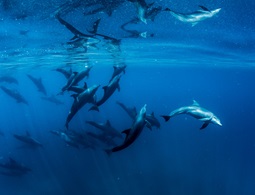
Global tracking data provides new insights into how marine creatures use ocean spaces and highlights the need for additional measures to achieve conservation targets.
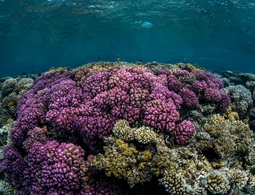
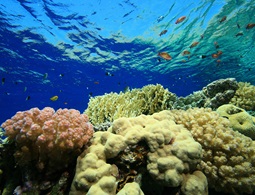
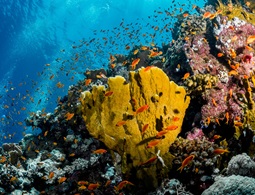
Red Sea corals accumulate pharmaceuticals, pesticides, and other human-derived contaminants across reefs along the central Red Sea coast.