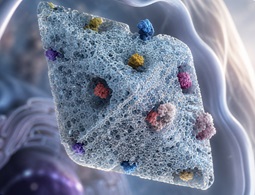
Electronic sensor detects early Parkinson’s markers in blood
Sensor technology developed by KAUST and Oxford detects Parkinson’s-related molecular signals in blood, achieving 90 percent accuracy in an initial clinical study
Sensor technology developed by KAUST and Oxford detects Parkinson’s-related molecular signals in blood, achieving 90 percent accuracy in an initial clinical study
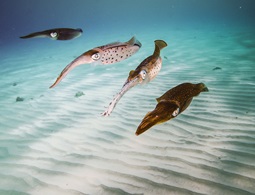
Aquatic invertebrates are rich sources of essential nutrients and could contribute to global nutrition security if sustainably managed.
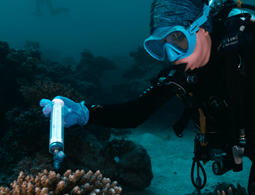
During a natural Red Sea heat wave, KAUST researchers found that probiotic and postbiotic microbial therapies improved heat-stressed coral health. The research could support more scalable approaches to strengthening coral resilience and conservation.
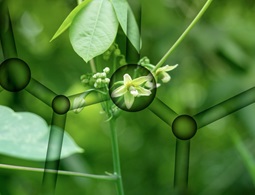
By adapting a natural genetic element, researchers insert large genes into tobacco and rice.

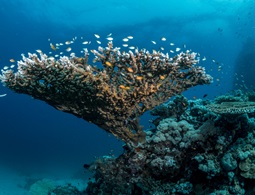
Exposure to cells from a coral pathogen appears to prime corals to respond more effectively to future infections.
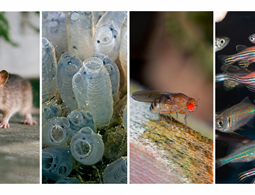
A new AI tool helps identify hidden similarities across distant species.
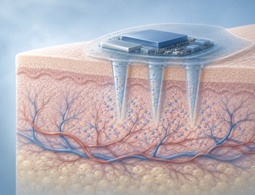
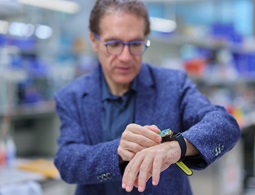
A wearable patch with microneedles coated in DNA molecules tracks levels of antibiotics in the body in real time.


A new statistical approach could make modeling spatial networks more accurate and efficient.

AI models can use data from motion sensors to infer what users perceive, but the research reveals privacy risks.
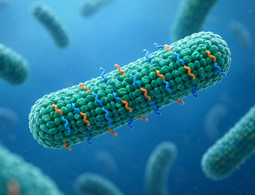
A virus-based scaffolding platform that carries antimicrobial peptides successfully kills multidrug-resistant pathogens in laboratory tests.