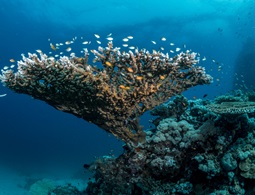
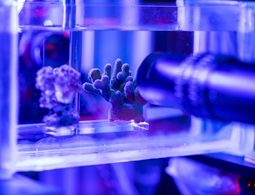
Extreme heat leaves corals short of oxygen
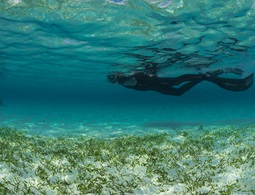
When exposed to acute heat stress, corals can suffocate, rapidly losing their tissue before showing the familiar signs of bleaching.
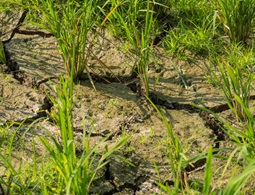
Beneficial bacterium helps plants stay fertile in the heat
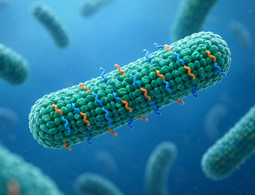
Researchers at KAUST have discovered how a beneficial bacterium switches on plants’ natural defenses against heat stress.

KAUST-developed experiments head to space to advance neurodegenerative disease research
KAUST-developed brain cell experiments are heading to the International Space Station aboard a SpaceX mission. The research will examine how cells behave in microgravity, laying the groundwork for future studies of neurodegenerative diseases, including Alzheimer’s and multiple sclerosis.
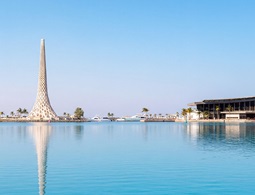
KAUST generates US$5.6 billion in economic value for Saudi Arabia annually
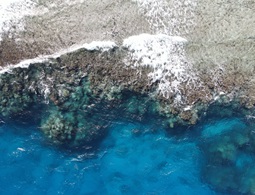
El Nino’s long reach influences Red Sea salt balance
El Niño-Southern Oscillation drives major year-to-year changes in surface salinity across the Red Sea, with the strongest influence occurring in October.

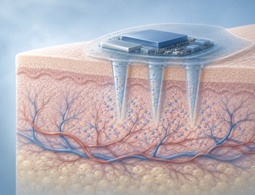
Electronic sensor detects early Parkinson’s markers in blood
Sensor technology developed by KAUST and Oxford detects Parkinson’s-related molecular signals in blood, achieving 90 percent accuracy in an initial clinical study
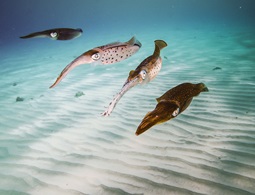
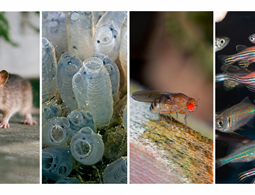
Sustainable seafood sources could help close global nutrition gaps
Aquatic invertebrates are rich sources of essential nutrients and could contribute to global nutrition security if sustainably managed.
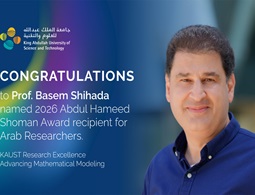
Shoman Award win for Professor Basem Shihada highlights excellence in Arab-led science
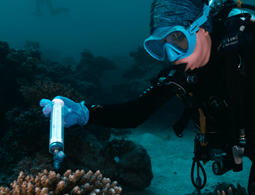
Microbial therapies improve heat-stressed coral health
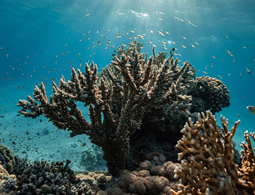
During a natural Red Sea heat wave, KAUST researchers found that probiotic and postbiotic microbial therapies improved heat-stressed coral health. The research could support more scalable approaches to strengthening coral resilience and conservation.
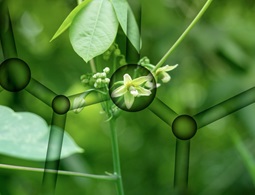
New gene insertion method for plant engineering
By adapting a natural genetic element, researchers insert large genes into tobacco and rice.