


Virtual reality headsets open a window into the mind
AI models can use data from motion sensors to infer what users perceive, but the research reveals privacy risks.
AI models can use data from motion sensors to infer what users perceive, but the research reveals privacy risks.
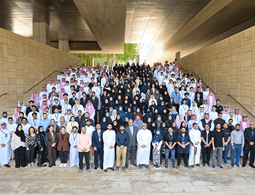
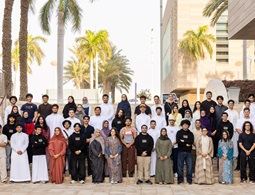
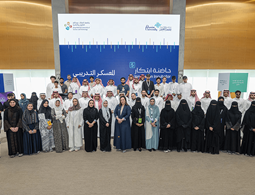
Across three KAUST Academy initiatives — the Science, Technology, and Engineering Program (STEPs), the Saudi Research Science Institute (SRSI), and the High School Summer Program (HSSP) — the University creates a connected pathway that takes students from high school preparation to research experience and academic opportunities, both in Saudi Arabia and around the world.
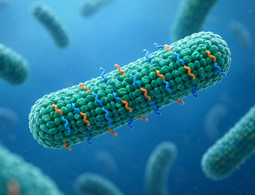
A virus-based scaffolding platform that carries antimicrobial peptides successfully kills multidrug-resistant pathogens in laboratory tests.

KAUST researchers discovered that motion sensors in commercial VR headsets can capture subtle physiological signals that reveal information related to visual perception. Using an AI system called BRAVESPY, the team demonstrated that sensor data could potentially expose sensitive brain-related information without users realizing it.
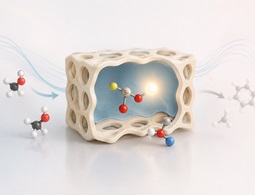
A surprising discovery about fluoride treatment could inspire new ways to improve industrial catalyst performance.
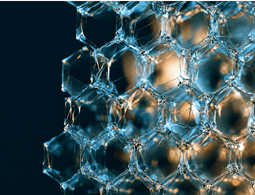
Researchers at King Abdullah University of Science and Technology (KAUST), together with academic collaborators in China and France, have now developed a new membrane technology that could help reduce that burden while overcoming a longstanding obstacle that has prevented advanced membrane materials from being manufactured at industrial scale.


Miniature devices generate a stream of unique keys for stronger digital security.
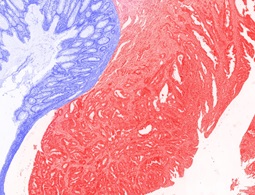
Nanophotonic microscope slides spotlight cancer cells hiding in patient tissue samples.
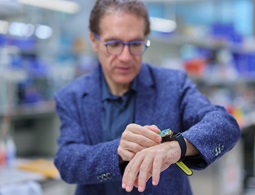

By shrinking CRISPR tools and boosting their specificity, researchers hope to expand where and how gene editing can be used.

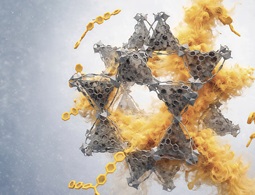
Ancient building technique inspires a potential solution to the modern challenges of gas separation and storage.
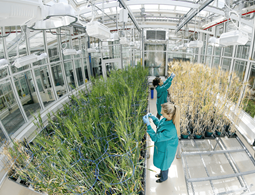
KAUST and Riyadh-based SEQUENCIVE have launched namya to bring the University’s MiZax agricultural technology to market. Built on more than a decade of research, the venture aims to advance sustainable agriculture and food security in Saudi Arabia and beyond.
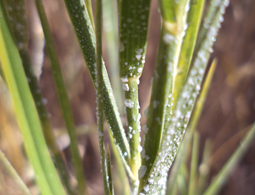
Saltgrass is both a potential climate-resilient crop and an important model for studying plant adaptation, genome evolution, and stress tolerance.
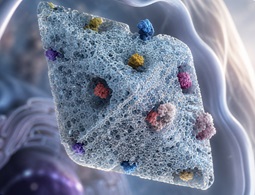
Nanoreactors ferry multi-protein machinery into cells, opening a potential route to precision therapies.
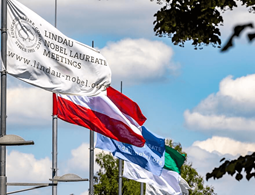
Five KAUST Ph.D. students have been selected to attend the 75th Lindau Nobel Laureate Meeting in Germany, joining 600 young researchers from around the world to engage with Nobel Laureates and explore some of science’s most pressing questions.