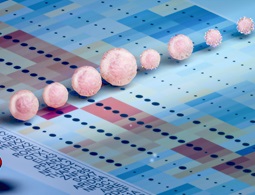
Cell atlas offers clues to how childhood leukemia takes hold
Blueprint of blood cell development traces molecular pathways of health and disease.
Blueprint of blood cell development traces molecular pathways of health and disease.
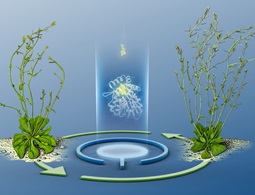
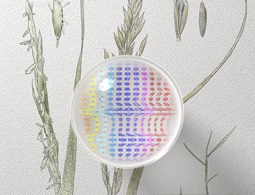
Findings reveal how plants control powerful growth regulators through adaptable molecular strategies, offering new perspectives for agriculture.
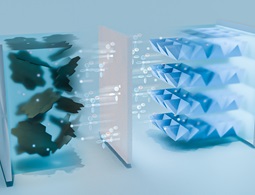
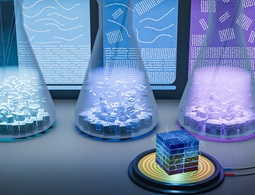
A new electrolyte additive helps sodium batteries achieve lithium-like performance, offering a practical pathway to scalable, lithium-free energy storage.
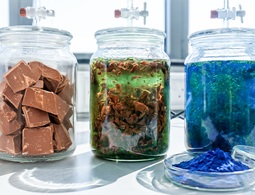
Ancient algae turn chocolate factory waste and other organic matter into valuable bio-based products, supporting a sustainable circular bioeconomy.

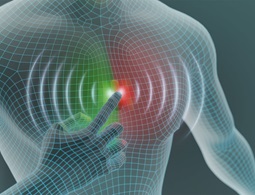
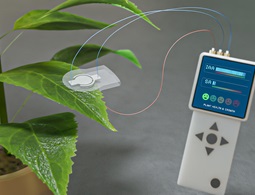
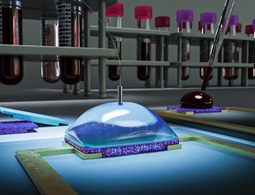
Microneedle-packed biosensor monitors antibodies linked to food allergies, offering early warning before reactions begin.
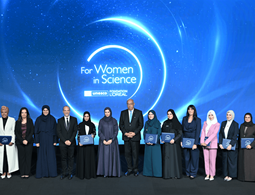
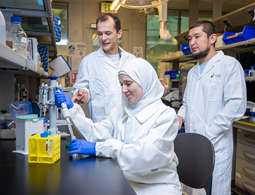
KAUST celebrates alumna Dr. Fatimah Abdulhakim, honored in the 2025 L’Oréal-UNESCO For Women in Science Awards for pioneering research that strengthens plant immunity and food security. Two additional KAUST alumnae were also recognized for their scientific impact.
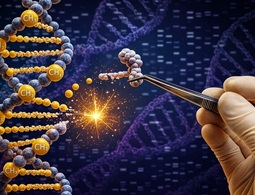
Insights into how CRISPR-Cas9 genome editing leaves lasting epigenetic ‘scars’ may improve safety for patients, and could inform novel treatment options.
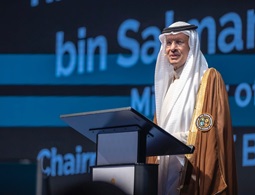
KAUST commencement, KAUST graduation, Prince Abdulaziz bin Salman, HRH, Saudi Arabia, Rhodes Scholarship, Rhodes Fellowship, Osama Dabbousi
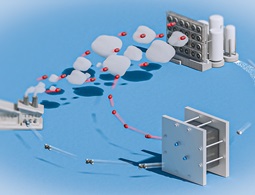
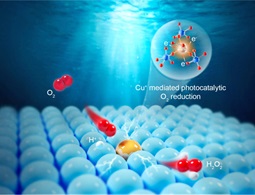
A KAUST-designed reactor uses renewable electricity to convert captured carbon into high-value chemicals, making CO₂ reuse economically viable.

Deploying advanced computers on floating platforms in the stratosphere could save on cooling costs.