A fresh sense of possibility
A multisensory graphene-based skin can sense in extreme environments where other sensors cannot be used.
A multisensory graphene-based skin can sense in extreme environments where other sensors cannot be used.
Ultrathin charge-transport layers enable low-cost solar cells to avoid premature degradation from ultraviolet light.
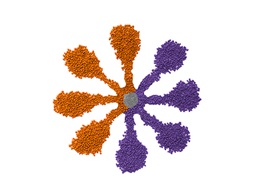
Unique star-shaped polymers have highly tunable properties that will open up a range of new applications.

Multistakeholder collaboration is key for the adoption of molecular approaches that can facilitate accurate, cheaper and faster monitoring of marine ecosystems.
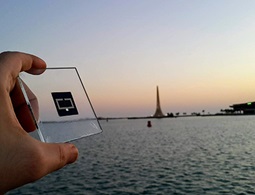
Researchers develop a better understanding of how novel solar cells developed in the lab will operate under real conditions.

Imaging artifacts discovered in high-resolution electron microscopes may impact development of next-generation electronic devices.
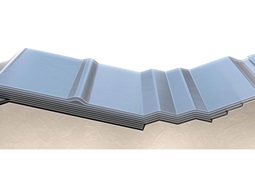
Multilayered carbon material could be the perfect fit for heat management in electronic devices.
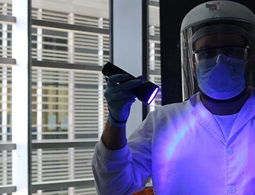
A method that lights up tags attached to selected proteins can help to purify the proteins from a mixed protein pool.
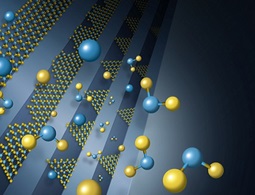
Surfaces featuring atomic-scale ledges and steps can act as reusable templates for producing nanoelectronic components.

Combining distinctive properties of two-dimensional materials inspires research to reveal a new frontrunner.

Looking closely at the chemical process that transforms methane into useful products could help unveil more efficient ways to use natural gas.

Identifying the ideal co-catalyst can significantly extend the working lifetime of solar fuel–generating photocatalysts.