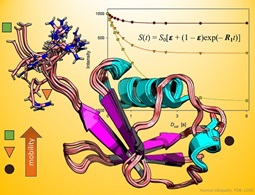
Old methods prove true for studying proteins
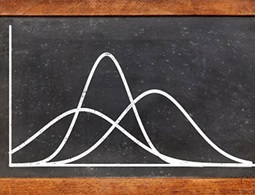
A decades-old technique for probing protein motions proves more accurate than current practices.
A decades-old technique for probing protein motions proves more accurate than current practices.

A two-dimensional material mimics the human temperature-sensing system.


Analysis of abnormally deep earthquakes may lead to improved seismic forecasting.

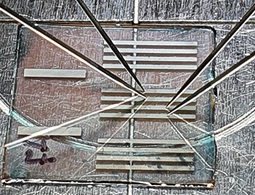
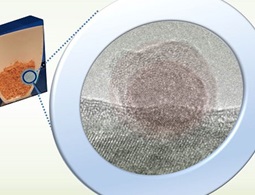
Air-stable coatings can improve the longevity of wearable devices that tap into body heat.
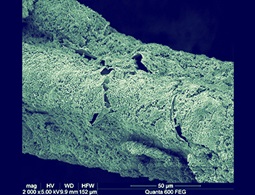
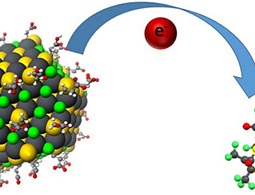
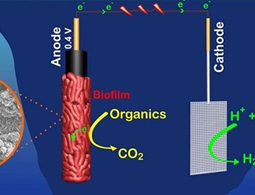
Combining solar-harvesting materials with carbon-dioxide–consuming microbes could be an efficient way to generate clean fuels.

Custom-fabricated lenses make it easy to attach high-tech microscopes directly to cell incubators.
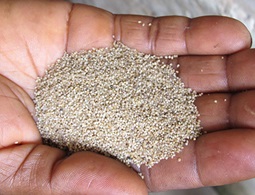
A nutritious millet crop grown mainly in West Africa could be genetically improved for large-scale agriculture in Saudi Arabia.
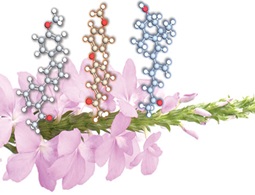
A molecular mimic designed to promote plant growth and limit witchweed infestation shows promise in initial trials.

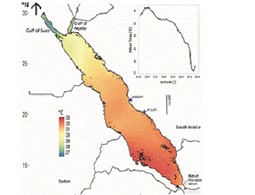
Prediction of wind speed and direction for up to several hours in advance improves Saudi Arabia’s wind energy potential.
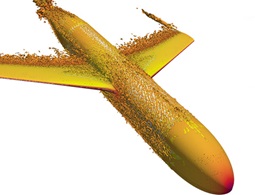
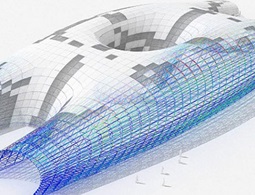
The ability to efficiently simulate the noise generated by wings and propellers promises to accelerate the development of quieter aircraft and turbines.