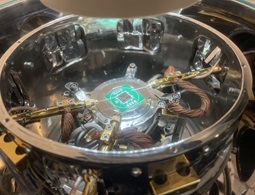
Protons set to power next-generation memory devices
A proton-driven approach that enables multiple ferroelectric phase transitions sets the stage for ultralow power, high-capacity computer chips.
A proton-driven approach that enables multiple ferroelectric phase transitions sets the stage for ultralow power, high-capacity computer chips.
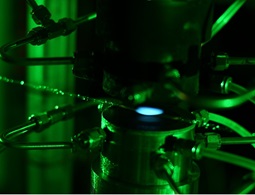
Laser experiments reveal how high voltage affects charged ions in burning fuel.
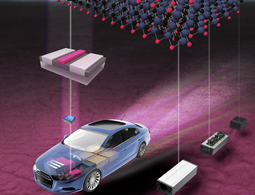
Using a two-dimensional material to electrically connect to high-power semiconductor transistors improves device performance.

High-strength but low-density mesh-like polymers with applications in adsorption are synthesized using a simple new method.

Tiny packets of molecular cargo shed by cancer cells seed the foundations for metastasis at distant sites in the body.

Surprising changes to a Pacific Ocean current during one of the strongest recorded El Niños saved a remote island’s coral reefs while others were devastated by mass bleaching.
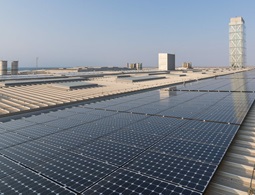
Weather variability and extreme events affect the optimal design and operation of renewable energy systems, particularly for striking a trade off between life cycle cost and carbon dioxide emissions.

Light-sensitive memory elements that can be programmed optically offer promise for more efficient real-time image analysis.
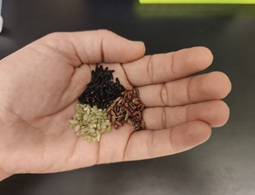
Fundamental research offers opportunities for new varieties of pigmented rice and a resource to address malnutrition.
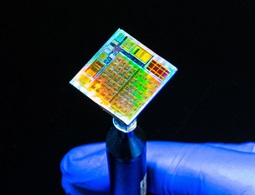
The first demonstration of a functional microchip integrating atomically thin two-dimensional materials with exotic properties heralds a new era of microelectronics.
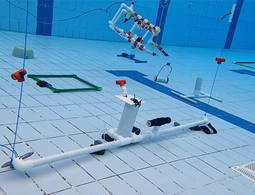

A strategic means to assess, plan and manage a nation’s digital assets across the entire value chain is essential to achieve digital sovereignty.