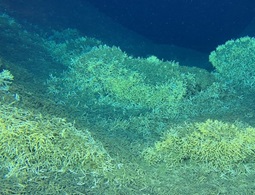
Extensive deep warm-water coral frameworks pinpointed in the Red Sea
A habitat suitability study suggests that two stony coral species may form significant deep-sea frameworks across the northern Red Sea and Gulf of Aqaba.
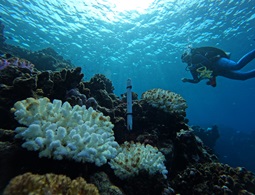
Cheap fixes aid global coral reef conservation
Reliable and standardized ocean temperature monitoring is crucial for advancing our understanding of coral survival and guiding restoration efforts.

How a multitasking protein keeps the body’s clock in sync
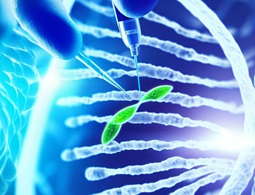
EZH1 steadies gene-reading machinery and adjusts DNA packaging, ensuring genes activate on time to maintain 24-hour rhythms.
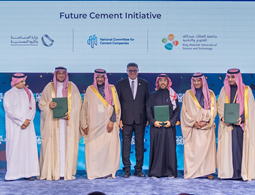
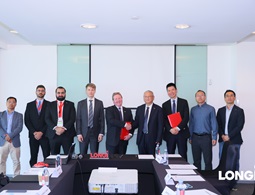
KAUST leads efforts to kickstart an innovative cement industry in Saudi Arabia
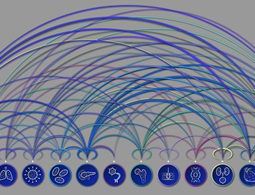
AI tool maps hidden links between diseases
Understanding how diseases trigger one another could lead to better treatments, prevention strategies and improved genetic risk prediction.

New lithium-extraction technique developed could boost Saudi battery industry
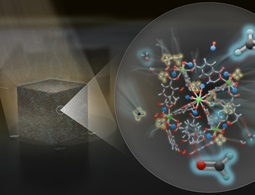
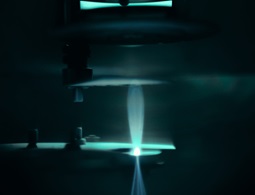
Maximizing methane
Rather than just burning natural gas as a fuel, a mild new method could turn it into a valuable chemical commodity.
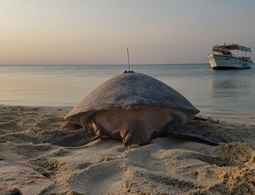
An innovative way to explore the Red Sea’s precious Blue Carbon ecosystems

Accounting for extreme weather to boost energy system reliability
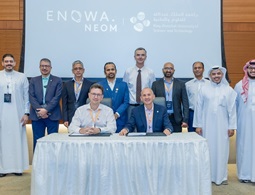
A computer model that factors in extreme weather events offers insights to improve the design of NEOM’s integrated renewable power, water and heating sectors.

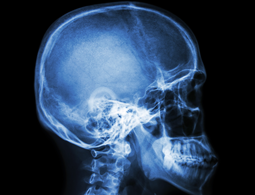
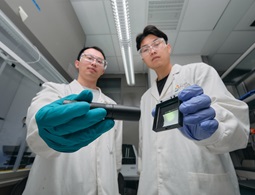
Beating the dark current for safer X-ray imaging
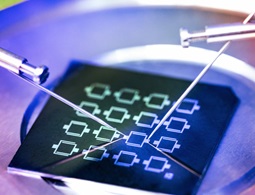
Cascade engineering suppresses background noise to boost the sensitivity of X-ray imaging detectors.