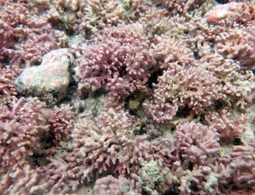
Rhodoliths found in a surprise location
A chance discovery on the Palmyra Atoll in the tropical central Pacific enables researchers to take a close look at coralline algae ecosystems.
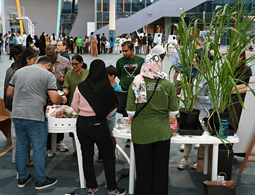
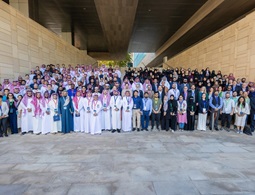
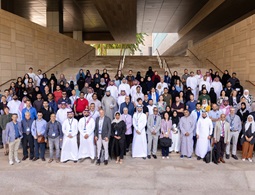
Plant Science Family Night 2025
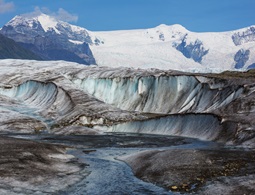
Unique microbiome discovered in mountain streams
As glaciers shrink, a major study reveals remarkable biodiversity across the world’s glacier-fed streams, providing a global reference for future climate-change microbiology studies on this vanishing ecosystem.
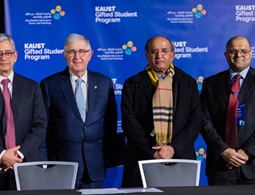
New KAUST program in bioinformatics and AI

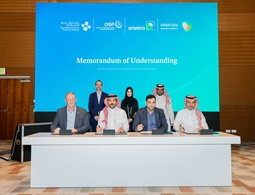
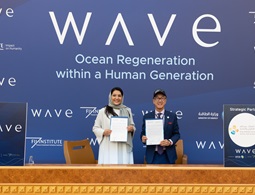
TAQADAM announces its latest startup cohort to receive $1 million
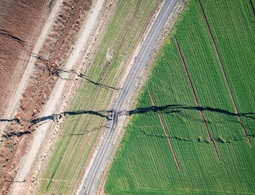
Kahramanmaraş earthquake study showcases potential slip rate errors
An image analysis technique shows that crustal damage from an earthquake can extend further than expected with implications for slip rate estimates and hazard assessment.
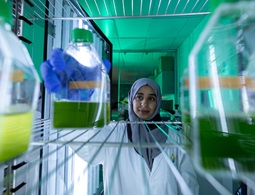
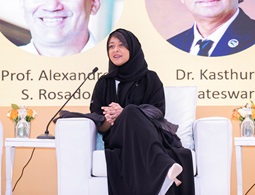
Celebrating 15 Years of Women and Girls in Science at KAUST
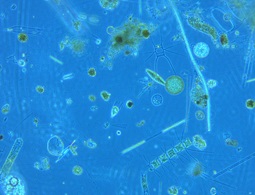
Examining phytoplankton’s past to reduce future algal blooms
Sediment-core analysis highlights clear shifts in regional phytoplankton community trends following urbanization and industrialization on the coast of the Arabian Gulf.
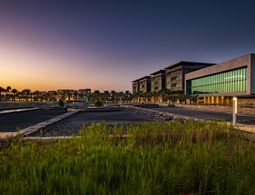
KAUST welcomes 2025 Ibn Rushd Postdoctoral Fellows, strengthening Saudi research talent
KAUST welcomes the 2025 cohort of Ibn Rushd Postdoctoral Fellows. These exceptional Saudi researchers will advance their expertise at top global institutions, strengthening the Kingdom’s research ecosystem. This initiative supports Vision 2030 by developing world-class talent for academic careers and research leadership roles, positioning Saudi Arabia as a leader in innovation and scientific discovery.
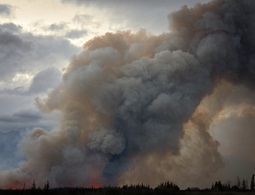
Unveiling the role of biomass-burning aerosols in atmospheric reactions
Insight into how photoexcited biomass-burning organic aerosols boost sulfate formation could help control wildfire-driven air pollution.