Giving voice to the voiceless through assistive technology
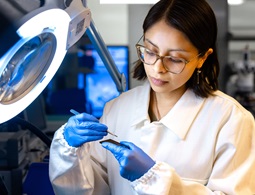
Artificial skin coupled with sensors and machine learning technology allows people with voice disorders to communicate using soundless mouth movements.
Artificial skin coupled with sensors and machine learning technology allows people with voice disorders to communicate using soundless mouth movements.
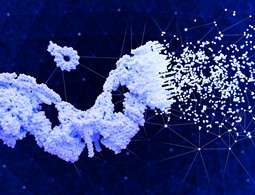
Powered by logic and large language models, DeepGO-SE predicts the biological role of proteins and could be used to aid drug discovery.

An integrated shuffler optimizes the privacy of personal genomic data used for machine learning.

Analyses of sediment cores highlight declining nutrient availability and increased trace metal pollution in the Red Sea.

Researchers propose a pathway to create sustainable greening initiatives in the Middle East using existing technologies.

Bio-inspired membrane materials from fungi mycelium are set to revolutionize separation technologies.
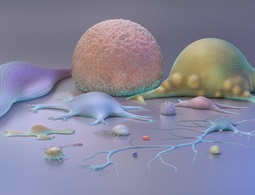
Inspired by large language models that power ChatGPT, an AI algorithm offers a new way to annotate cells.

Algorithm creates tessellating triangular pieces to build physical replicas of structures such as cells or viruses.
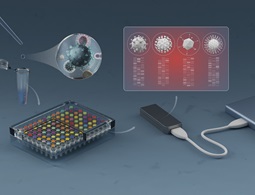
An open-source, automated and cost-effective platform for COVID-19 diagnosis and analysis of genetic variants can be built from readily available materials, with big possibilities on the horizon.

A systematic analysis of sex differences in mortality of young people up to the age of 24 will help policymakers address key disparities and reduce preventable deaths.

Better understanding of the roles of plant hormones could help to engineer advantageous traits into rice and other crops.

An emerging conservation strategy could help wildlife to become more resilient against a range of environmental threats.